
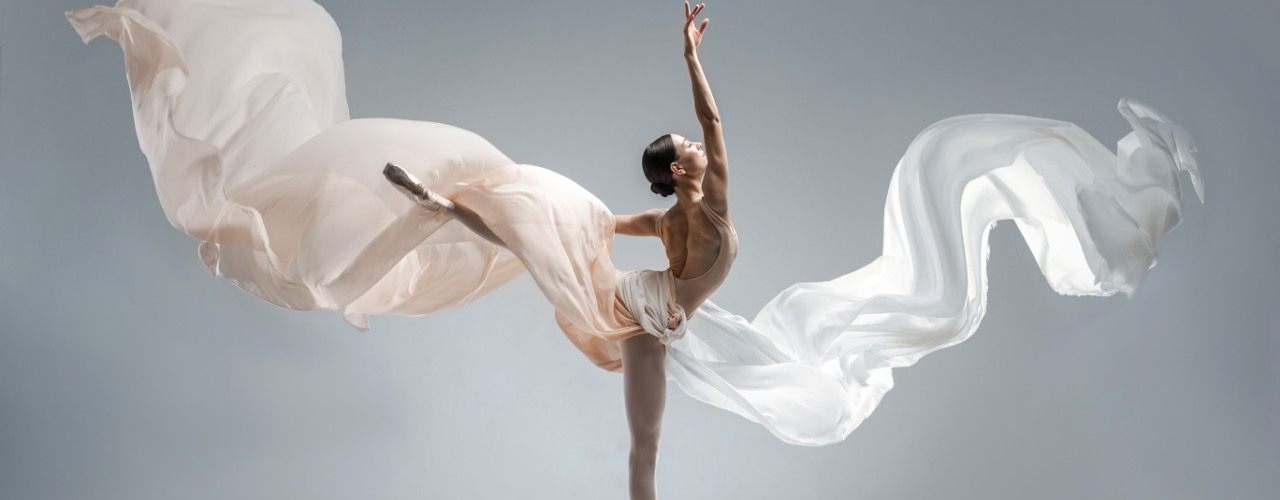
Comprehensive Care for Artistic Athletes at Foundation Physiotherapy & Wellness
Unique Demands of Dance
Dance is not merely a form of art; it is a highly demanding physical activity that requires a combination of flexibility, strength, endurance, and technical skill. Similar to athletes, dance involves a wide range of movements that require precise control, extensive reach, and extraordinary balance. These demands place dancers at risk for specific injuries, making the role of physiotherapy in dance essential.
The Role of Physiotherapy in Dance
Physiotherapists are uniquely qualified to support dancers thanks to their in-depth knowledge of musculoskeletal and neuromuscular systems, biomechanics, kinesiology, motor control, balance, and posture. This comprehensive understanding of body mechanics is crucial for helping dancers maintain optimum health and performance levels. Our physiotherapists have expertise in movement that helps dancers move safely and efficiently, enhancing their performance while minimizing the risk of injury.
Performing artist athletes, including dancers, gymnasts, cheerleaders, and stage actors, engage in activities that place exceptional demands on their bodies. As both artists and athletes, dancers epitomize this dual challenge, requiring artistic expression and peak athletic performance. Understanding the unique needs of these artists is crucial, especially when it comes to providing specialized physio therapy and preventative care.
Common Injuries Among Performing Artists
Whether leaping, tumbling, or performing on stage, the risk of injury looms large for performing artists. Our clinics have extensive experience in diagnosing, treating, and preventing a range of injuries specific to these disciplines:
Tendon Strain
Often occurring from repetitive use and high-stress performances, tendon strains are common but manageable with physiotherapy.
Stress Fractures
Caused by overuse and frequent impact, stress fractures are a significant risk, especially for performers who rely on repetitive movements.
Ankle Sprains
A sudden misstep can lead to an ankle sprain, a common injury among all performing artists that requires immediate care and effective physiotherapy.
Meniscus Tear
Acute movements in performance can lead to meniscus tears, particularly in activities involving heavy use of leg maneuvers.
Hip Labrum Tears
Intense leg lifts and splits can stress the hip joint, leading to labrum tears, which is particularly prevalent among dancers and gymnasts.
Recognizing the unique physical demands of each performing artist, our clinics offer personalized treatment plans that address the specific needs of each athlete. From the initial assessment to full recovery, our physiotherapists work to heal and strengthen the body against future injuries.
Education and Prevention
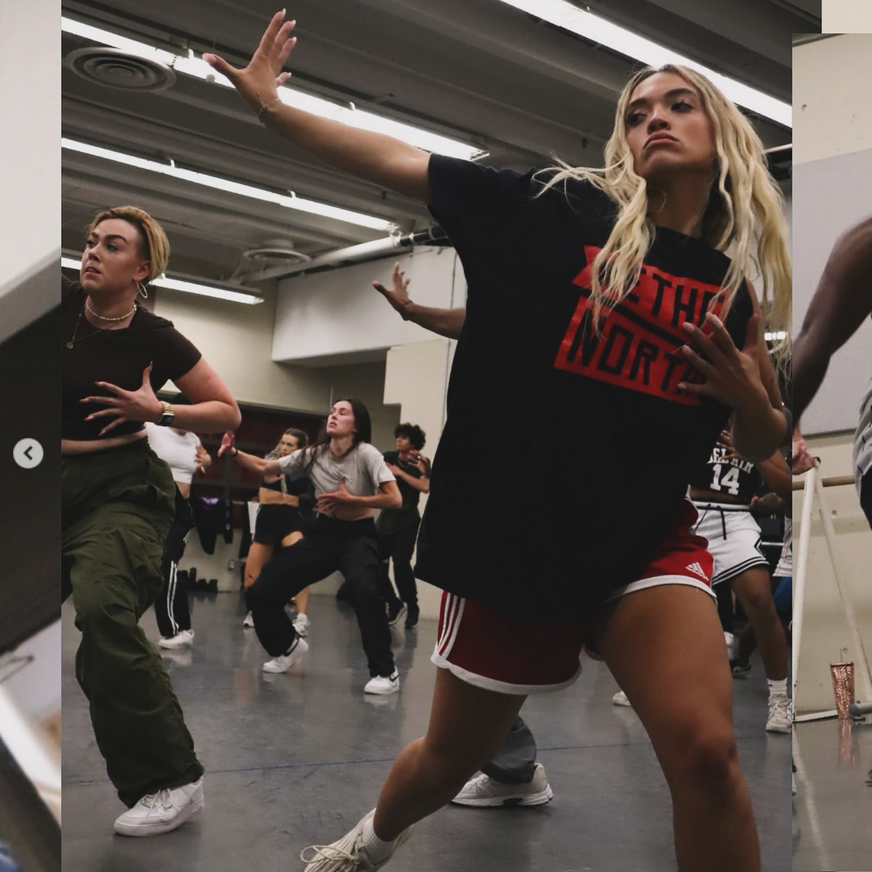
Understanding one’s body is crucial in the performing arts. Our physiotherapists can cover a wide variety of topics essential for the development of performing artist athletes, including:
- Anatomy and Physiology: Understanding the body’s structure and function helps dancers use their bodies more effectively and safely.
- Balance and Posture: Core components in dance that affect every movement and performance aspect.
- Turnout: Essential for many dance forms, proper turnout training can enhance performance and reduce the risk of injury.
- Flexibility and Stretching: Critical for achieving the full range of motion necessary in various dance forms.
- Strength Training: Develops the muscle power needed for jumps, lifts, and sustained performances.
Additionally, Foundation Physiotherapy & Wellness stresses the importance of nutrition and stress management, providing our clients with a holistic approach to health and wellness.
Structuring a Dance Rehabilitation Program
A well-structured dance medicine program offers:
- Education: Increases the dancer’s knowledge about their body and the impact of dance on it, promoting smarter training decisions.
- Dance-Specific Exercise Training: Tailors strength and flexibility exercises to the dancer’s needs, enhancing both safety and performance.
- Manual Therapy: Skilled muscle, joint or tendon work that restores structural movement, improves blood flow and reduces pain.
- Other Modalities: Cupping, Dry Needling or Acupuncture: Other modalities such as cupping, dry needling, or acupuncture may also be indicated. Dry needling and acupuncture are safe and effective modalities that can be used to alleviate pain and muscle tightness while also improving mobility. Cupping may also be helpful for that nagging tension and areas of over use!
- Massage Therapy: Aids in loosening up any tight areas and making recovery quicker and easier
- Balance Training: Improves stability, a fundamental aspect of dance that supports nearly all forms of movement.
- Technique and Performance Enhancement: Focuses on refining dance movements to increase performance quality and reduce injury risks.
- Wellness and Injury Prevention: Proactive measures to maintain health and prevent common dance-related injuries.
By providing these specialized services, our physiotherapists and dance specialists play a pivotal role in maintaining the health, wellness, and career longevity of dancers and other performing artists and athletes.
Dance physiotherapy is not just about healing; it’s about empowering performers with the knowledge and skills to thrive in the demanding performing arts world.
Join Us: Expand Your Performance Horizons
We invite all performing artists and athletes to explore the specialized services we offer. At Foundation Physiotherapy & Wellness, we don’t just treat injuries—we offer dance medicine that fosters an environment of growth and recovery, allowing you to reach your full potential in the performing arts.
Schedule an appointment today at and take the first step towards a healthier, more successful career!