

Integrated Care for Jaw Pain, Tension, and TMJ Dysfunction
If your jaw feels tight, sore, or stiff, or you’ve noticed clicking, popping, or headaches near your temples, you may be dealing with TMJ (temporamandibular joint) dysfunction. This condition affects the way your jaw moves and can make chewing, speaking, and even smiling uncomfortable. Our TMJ Rehab program at CityPlace, Downtown, Corktown, Etobicoke-Royal York, Etobicoke-Lakeshore, Trinity Bellwoods Dundas West, and Vaughan, ON takes a holistic, evidence-based approach to reduce pain, improve mobility, and restore natural jaw function.
What Causes TMJ Symptoms?
The temporomandibular joint connects your jaw to your skull and relies on a precise balance of muscles, posture, and movement. When that balance is disrupted, irritation and tension build up. Common contributors include:
- Clenching or grinding
- Stress-related muscle tension
- Poor neck or upper-back posture
- Previous jaw or neck injuries
- Arthritis or joint irritation
Because TMJ issues rarely happen in isolation, our team will look beyond the jaw to understand what’s truly driving your symptoms.
When to Consider TMJ Rehab
If you’ve been experiencing any of the following for more than two weeks, it’s time to get your jaw assessed:
- Pain or tightness when talking or chewing
- Clicking, popping, or grinding sensations
- Headaches, ear pain, or facial tension
- Locking or difficulty opening your mouth fully
Early intervention prevents symptoms from becoming chronic — and helps you get back to eating, speaking, and functioning comfortably.
How TMJ Rehab Helps
Our physiotherapists at Foundation Physiotherapy and Wellness take a whole-body, individualized approach to TMJ care. Your first session includes a detailed assessment of jaw movement, posture, neck mechanics, and contributing lifestyle factors. From there, we build a personalized treatment plan that may include:
- Manual therapy to reduce muscle tension, release restrictions, and improve joint mobility
- Targeted exercises to strengthen and rebalance the jaw, neck, and upper-back muscles
- Postural retraining to correct forward-head or rounded-shoulder habits that overload the TMJ
- Relaxation and breathing strategies to decrease clenching and stress-related tightness
- Lifestyle guidance that supports recovery and reduces strain on the jaw
Our goal is to treat the root cause, and provide long term prevention, not just manage symptoms.
Preventing TMJ Pain From Returning
Long-term improvement comes from understanding how your jaw and neck work together. We’ll show you simple strategies to keep your jaw relaxed and healthy, including:
- Maintaining relaxed jaw positioning (lips together, teeth apart)
- Building neck and upper-back mobility and strength
- Reducing habits like teeth grinding
- Managing stress with breathwork and awareness exercises
- Managing sleep positions and habits
These tools help you maintain function, improve quality of movement and prevent flare-ups.
Get Back to Eating, Speaking, and Smiling Comfortably
Jaw pain doesn’t have to control your day. With our personalized TMJ Rehab program at Foundation Physiotherapy and Wellness, you can reduce pain, restore natural movement, and feel confident in how your jaw functions again.
Ready to start feeling better? Book your TMJ Rehab appointment today in CityPlace, Downtown, Corktown, Etobicoke-Royal York, Etobicoke-Lakeshore, Trinity Bellwoods Dundas West, or Vaughan, ON.
THIS SERVICE IS AVAILABLE AT:
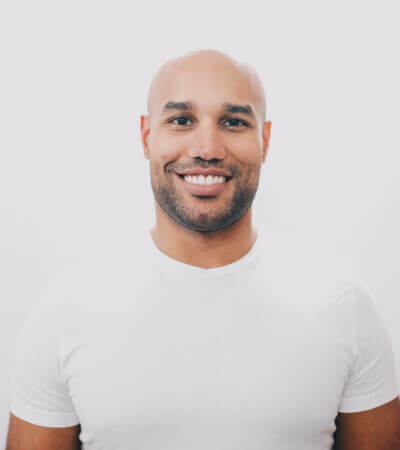
Jared Bruce
PT, Dip. AIM, FCAMPT
Clinic Lead, Registered Physiotherapist (Lead Associate), FCAMPT

Candace Choi
PT
Registered Physiotherapist, Dance Rehab and Performance Consultant, Strength and Conditioning Consultant, Running Consultant

Dr. Jonathan Chung
DC
Chiropractor

Nicole Conzelmann
PT
Registered Physiotherapist (Lead Associate), Home Care Lead, Running Consultant, Concussion & Vestibular Physiotherapist, Strength and Conditioning Consultant

Alexander Djuric
PT, CIDN, ACC Level 1Registered Physiotherapist (Senior Associate), Strength and Conditioning Consultant

Stephanie Fleming
PT
Registered Physiotherapist, Pelvic Health Physiotherapist, Strength and Conditioning Consultant, Dance Rehab and Performance Consultant, Running Consultant

Dr. Phillip Hung
DC
Chiropractor, Certified Strength and Conditioning Specialist

Allison Cumberbatch
RMT
Registered Massage Therapist (Senior Associate)

Idemar Rodrigues
PT
Registered Physiotherapist (Senior Associate), Running Consultant, Certified Strength & Conditioning Consultant
Candace Choi
PT
Registered Physiotherapist, Dance Rehab and Performance Consultant, Strength and Conditioning Consultant, Running Consultant

Tom Bennett
PT
Registered Physiotherapist, Concussion & Vestibular Physiotherapist

Dr. Chantal Joseph
DC
Chiropractor (Senior Associate)
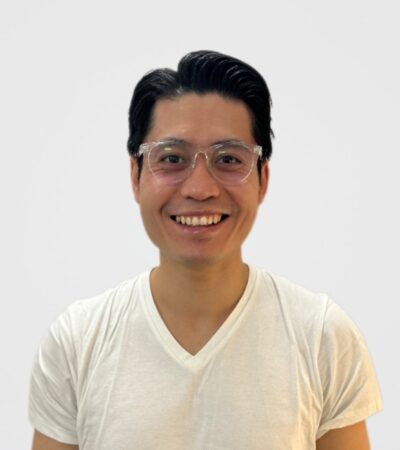

Tina Homayouni
PT, FCAMPT, CIDN
Clinic Lead, Registered Physiotherapist (Lead Associate), Concussion & Vestibular Physiotherapist
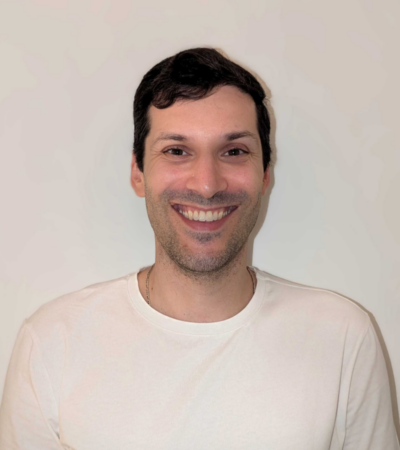
Marcelo de Sao Jose
RMT, RMO, DOMP
Registered Massage Therapist, Registered Manual Osteopath

Erald Osmani
PT
Registered Physiotherapist, Strength and Conditioning Consultant, Running & Cycling Consultant
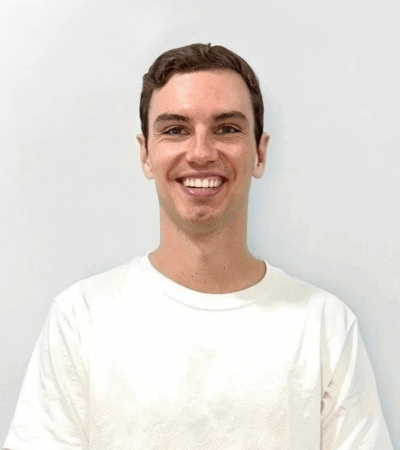
William Shantz
PT
Registered Physiotherapist, Concussion and Vestibular Consultant, Cycling Consultant, Strength and Conditioning Consultant
Dr. Corey Cipolla
DC
Chiropractor (Senior Associate), Concussion Rehabilitation Consultant

Dr. Gillian Growse
DC
Chiropractor (Senior Associate)
William Shantz
PT
Registered Physiotherapist, Concussion and Vestibular Consultant, Cycling Consultant, Strength and Conditioning Consultant
Dr. Corey Cipolla
DC
Chiropractor (Senior Associate), Concussion Rehabilitation Consultant

Perry Kathirgamanathan
PT
Registered Physiotherapist, Running Consultant, Strength and Conditioning Consultant, Concussion & Vestibular Physiotherapist
FAQs
What are the signs I might have TMJ dysfunction?
If your jaw feels tight, sore or stiff — or you’ve noticed clicking, popping, grinding, headaches, ear pain or facial tension — you may be experiencing TMJ dysfunction.
You may also notice pain when chewing or talking, difficulty opening your mouth fully, or episodes where your jaw feels like it locks.
The temporomandibular joint connects your jaw to your skull and moves thousands of times throughout the day. When the muscles, joints and movement around it aren’t working well together, everyday activities like eating, speaking and even smiling can become uncomfortable.
Why does Foundation Physiotherapy look at my neck and posture for a jaw problem?
Because your jaw doesn’t function in isolation.
The TMJ relies on a precise balance of jaw movement, muscle function, head and neck mechanics and posture. Things like clenching or grinding, stress-related muscle tension, previous jaw or neck injuries, and poor neck or upper-back posture can all contribute to TMJ symptoms.
That’s why our TMJ assessment looks beyond where it hurts. We assess your jaw movement, posture, neck mechanics and other contributing factors to understand what is actually driving your symptoms.
What does a TMJ treatment plan with Foundation include?
Your TMJ Rehab plan is individualized based on what we find during your assessment.
Treatment may include manual therapy to reduce muscle tension and improve joint mobility, targeted exercises for the jaw, neck and upper back, postural retraining, and relaxation or breathing strategies to help reduce clenching and stress-related tension.
We’ll also help you understand the habits that may be contributing to your symptoms and give you strategies to reduce future flare-ups.
The goal isn’t simply to manage jaw pain. It’s to reduce pain, restore natural movement and help you feel confident using your jaw again.