
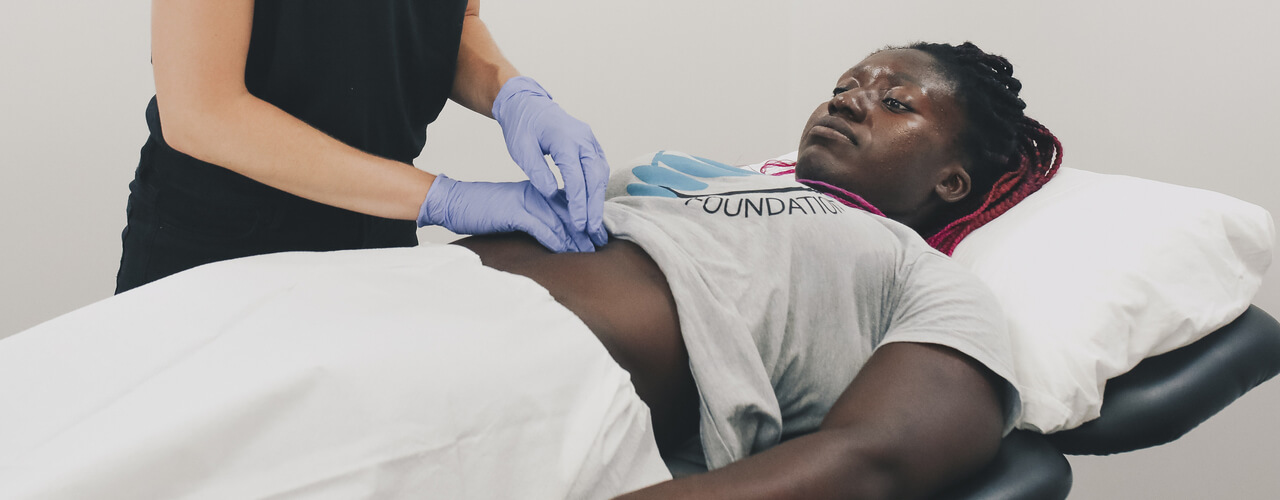
The Pelvic Health team at Foundation Physiotherapy and Wellness addresses pelvic pain using a comprehensive biopsychosocial approach. There are many different factors that can cause or contribute to pelvic pain. This pain may limit or prevent you from doing some of your daily tasks or activities that you love. It may be difficult to talk about, or some people may feel embarrassed or ashamed. If you are experiencing pelvic pain, whether there was a specific point of onset or it developed more gradually and is persistent, our team is here to help!
What Pelvic Pain Conditions do we treat?
Individuals with pelvic pain often experience different symptoms or issues. There are a number of common labels or terms given to these experiences of pelvic pain. Here are some of the most common conditions that we see in CityPlace, Downtown, Corktown, Etobicoke-Royal York, Etobicoke-Lakeshore, Trinity Bellwoods Dundas West, and Vaughan, ON:
Painful Sex (Dysperunia)
Discomfort during intercourse can be related to tight pelvic floor muscles, trauma during a vaginal delivery, scar tissue, vaginal dryness, and/or increased sensitivity of your nervous system. You might notice discomfort with penetration or thrusting, and it may be sharp, dull, burning, or achy. Pelvic health physiotherapy can help identify why you are experiencing painful sex and help you enjoy intercourse pain-free!
Tailbone Pain (Coccydynia)
Pain in or around the tailbone can be extremely uncomfortable, often making it very difficult to sit for prolonged periods of time. Tailbone pain can occur following a fall, after prolonged pressure to the area, or during/after pregnancy. Pelvic physiotherapy for tailbone pain often includes a combination of hands-on therapy, exercises and postural strategies to help reduce and eliminate discomfort.
Vaginismus
This condition occurs when the pelvic floor muscles spasm or tighten in response to vaginal penetration. This may limit or interfere with tampon insertion, gynecological exams, or sexual intercourse. Physiotherapy treatment is focused on re-training the pelvic floor muscles and nervous system through very gentle hands-on and self-treatment strategies.
Vulvodynia
Vulvodynia is characterized by pain in the vulvar region or vagina, in the absence of infection or gynecological disease. It may be constant or occasional. It may occur only when the sensitive area is touched (provoked) or it may be more generalized. Through a detailed assessment and biopsychosocial treatment approach, physiotherapy addresses various factors that may be contributing to your experience of pain.
Interstitial Cystitis & Bladder Pain Syndrome
Symptoms of these conditions are often described as pain, pressure, or urgency, perceived to be related to the bladder. The term Bladder Pain Syndrome is used when symptoms persist and occur in the absence of infection or any other identifiable cause, whereas with Interstitial Cystitis, bladder disease is present. In both situations, the muscles, connective tissue, and nervous system can contribute to symptoms, and addressing these issues through physiotherapy can be helpful.
Chronic Nonbacterial Prostatitis
This term is often used to describe male pelvic pain that does not have an identifiable cause or that does not change in response to a course of antibiotics. Symptoms may include bladder urgency or hesitation, pain during or after ejaculation, rectal pain, pelvic pain that is aggravated with sitting, or a sense of fullness in the prostate. Physiotherapy treatment is focused on reducing pelvic floor muscle tension or overuse, as well as other contributing factors.
Chronic Pelvic Pain
If you have been experiencing pelvic or genital pain for more than 3 months, the term chronic is often used. You may have gone through extensive medical tests that have suggested nothing is wrong or received a diagnosis that is not overly helpful from a treatment perspective. Chronic or persistent pain is complex and cannot be blamed on a single structural issue. Recovery from persistent pelvic pain depends on addressing the sensitivity of your nervous system and resolving issues in the muscles, joints, and connective tissues of your pelvis.

While these are just a few of the most common conditions of pelvic dysfunction that can be treated with physiotherapy, there are a number of additional pelvic conditions or concerns that physiotherapy treatments can relieve. If you are unsure whether pelvic physiotherapy can help, please contact us and one of our pelvic health therapists would be happy to answer any questions you may have.
Read Reviews From Clients Who Found Relief With Physiotherapy
How will I benefit?
The muscles, tendons, and ligaments that comprise the pelvic floor serve several important functions and can contribute to pain, urgency, or sexual dysfunction. The treatment involved in your pelvic floor rehabilitation plan will be dependent upon the results of your initial assessment.
Your injury or condition will be evaluated during a thorough examination, and your qualified physiotherapist will develop and discuss a treatment plan that will address your specific needs.
This will typically include education regarding your condition, hands-on therapy, exercises, and strategies you can use at home to help reduce and eliminate your symptoms.
Our Toronto physiotherapy clinics are all equipped with the resources necessary for treating all forms of pelvic pain. In many cases, our treatment methods can help provide relief and recovery for problems that men and women have been facing for months or even years. If your pelvic pain is limiting you, schedule an appointment at Foundation Physiotherapy & Wellness today in CityPlace, Downtown, Corktown, Etobicoke-Royal York, Etobicoke-Lakeshore, Trinity Bellwoods Dundas West, or Vaughan, ON to begin your journey toward long-lasting relief!