

Home Care Physiotherapy in Action: A Real-World Case Study on Recovery at Home
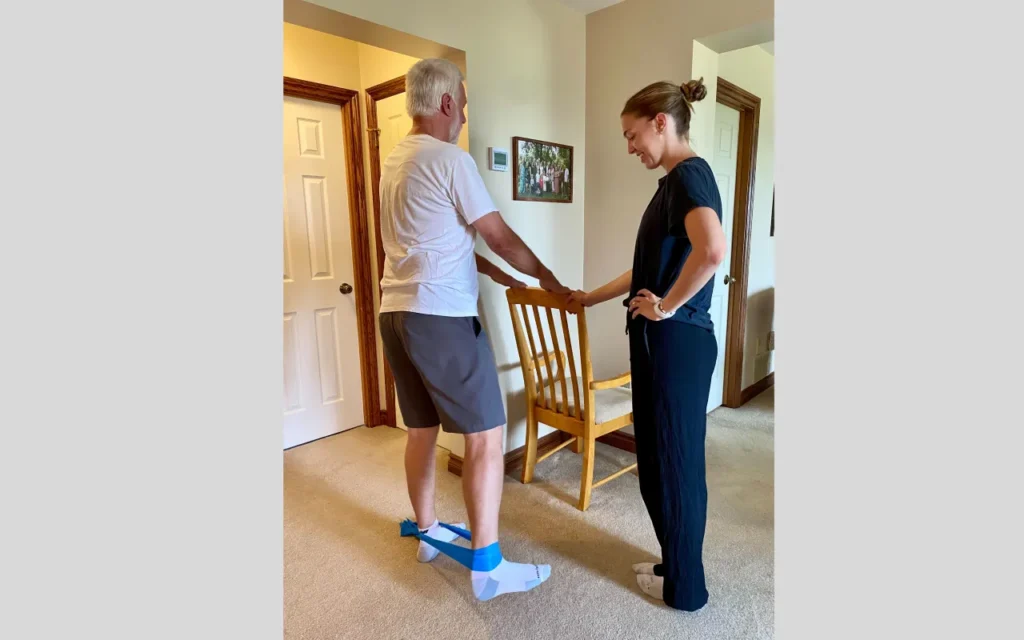
How Evidence-Based Home Care Physiotherapy Helped One Toronto Patient Regain Independence After Surgery
Recovering from surgery or injury is rarely just about pain.
For many people, it’s about getting back to walking safely, climbing stairs confidently, sleeping comfortably, returning to work, or simply moving around the house without fear.
This case study highlights how evidence-based home physiotherapy can improve mobility, confidence, strength, and independence after surgery — while reducing barriers to care.
The Patient
Age: 72
Location: Toronto, Ontario
Condition: Total Knee Replacement (Post-Operative)
Primary Goals:
- Walk independently without a walker
- Climb stairs safely
- Reduce swelling and stiffness
- Return to daily walks outdoors
- Avoid repeated trips to outpatient clinics during early recovery
The patient lived alone in a downtown Toronto condo and initially struggled with:
- Pain during transfers and walking
- Limited knee range of motion
- Difficulty getting in and out of elevators
- Fatigue with community travel
- Fear of falling outdoors
Instead of attending outpatient physiotherapy immediately after surgery, the patient’s family chose home physiotherapy to begin rehabilitation safely and comfortably.
The Assessment: Why Home Care Changes the Clinical Picture
One of the biggest advantages of home physiotherapy is the ability to assess movement in the actual environment where recovery happens.
During the initial assessment, our physiotherapist identified several barriers that would not have been visible in a traditional clinic setting:
- Difficulty navigating narrow hallway turns with a walker
- Limited confidence transferring on and off lower furniture
- Poor stair strategy inside the building
- Swelling worsening after longer elevator and hallway walks
- Unsafe bathroom movement patterns
Rather than creating a generic exercise program, treatment was built around the patient’s real-world functional needs.
This is one of the key differences between evidence-based rehabilitation and standardized protocols.
The Treatment Plan
Using Foundation’s FUEL approach:
F — Function First
Treatment focused on meaningful activities including:
- Sit-to-stand transfers
- Condo hallway walking endurance
- Stair navigation
- Outdoor walking progression
- Bed mobility
U — Understandable Plan
The patient received:
- Clear weekly goals
- Simple home exercises
- Easy-to-follow recovery expectations
- Education on swelling management and pacing
E — Expectations Aligned
Recovery timelines were discussed early:
- Initial stiffness expected for several weeks
- Gradual walking progression planned over 12 weeks
- Strength recovery explained as a long-term process
L — Long-Term Value
The program emphasized:
- Fall prevention
- Long-term knee strength
- Confidence with independent activity
- Sustainable exercise habits after discharge
The Results Over 12 Weeks
Weeks 1–4
Focus:
- Pain reduction
- Swelling management
- Range of motion
- Safe transfers
- Walker-assisted mobility
Outcomes:
- Knee flexion improved significantly
- Reduced pain during walking
- Improved confidence inside the condo
Weeks 5–8
Focus:
- Strength development
- Balance training
- Stair training
- Endurance progression
Outcomes:
- Transitioned from walker to cane
- Improved stair confidence
- Increased walking tolerance outdoors
Weeks 9–12
Focus:
- Dynamic balance
- Functional strengthening
- Community mobility
- Long-term independence
Outcomes:
- Independent community walking
- Able to complete grocery trips comfortably
- Returned to regular outdoor walks
- No falls or major setbacks during rehabilitation
What Does the Evidence Say About Home Physiotherapy?
Research continues to support the effectiveness of home-based physiotherapy for many patient populations, particularly after orthopedic surgery.
Studies have shown that home rehabilitation can:
- Improve adherence to exercise programs
- Reduce transportation barriers
- Improve functional outcomes
- Increase patient satisfaction
- Support earlier mobility and independence
Home-based rehabilitation is especially valuable for:
- Older adults
- Post-operative patients
- Individuals with mobility limitations
- Patients managing pain or fatigue
- People who struggle with transportation or winter travel in Toronto
The environment itself becomes part of the rehabilitation process.
Why Home Care Physiotherapy Matters in Toronto
In a busy city like Toronto, transportation, weather, parking, mobility challenges, and time constraints can all become barriers to recovery.
Home physiotherapy removes many of those obstacles.
Instead of spending energy getting to treatment, patients can focus that energy on recovery itself.
Our home care physiotherapists provide:
- One-on-one physiotherapy sessions
- Functional movement assessments
- Post-surgical rehabilitation
- Balance and fall prevention programs
- Neurological rehabilitation
- Strength and mobility programming
- Education for patients and caregivers
The Bigger Picture: Rehabilitation Should Match Real Life
The goal of physiotherapy is not simply to complete exercises.
The goal is to help people move better in the environments that matter most to them.
For some patients, especially after surgery or during periods of limited mobility, home physiotherapy provides a safer, more practical, and more functional path toward recovery.
When treatment is personalized, evidence-based, and built around real-life function, outcomes often improve.