
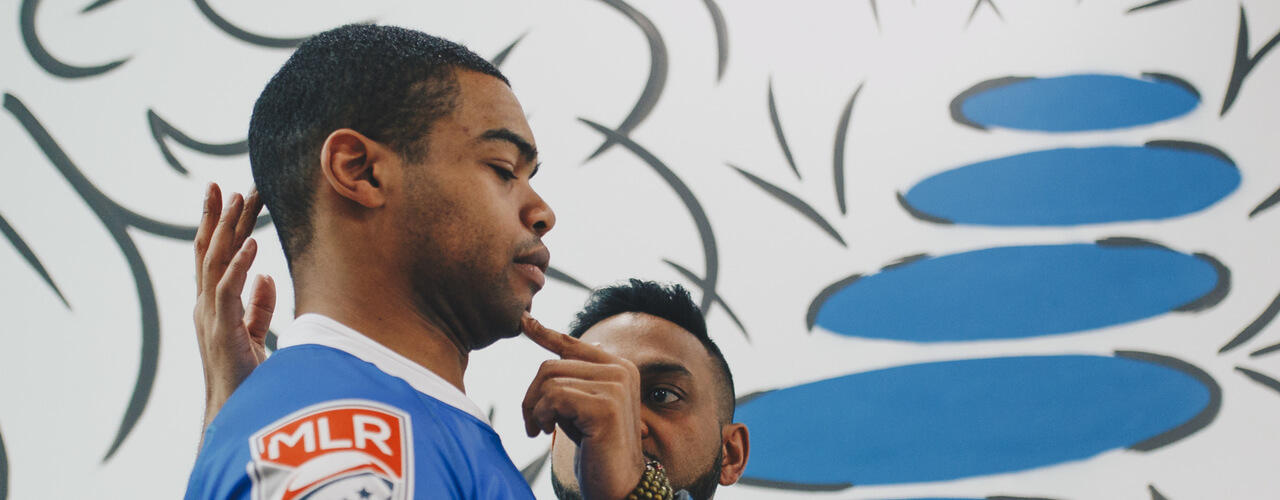
Finding Relief For Your Temporomandibular Joint Dysfunction With Physiotherapy
The temporomandibular joint connects your jaw to your skull. If there is an injury to this joint or it becomes damaged in any way, TMJ dysfunction may develop. Temporomandibular joint dysfunction, also known as TMJ dysfunction, is a condition that causes pain and stiffness of the jaw joint and its surrounding muscles. The temporomandibular joint is a complex and important structure composed of bones, tendons, and muscles that may cause you to feel pain on one or both sides of the jaw. This can make it very difficult to open your mouth, talk, yawn, and chew.
If you are having difficulty chewing or yawning, have jaw pain, or hear a clicking noise when you open and shut your mouth, you could have TMJ dysfunction. Schedule an appointment at Foundation Physiotherapy & Wellness today to find relief for your TMJ dysfunction with physiotherapy.
How can I tell if I have TMJ Dysfunction?
There is no single method or surefire way of diagnosing TMJ dysfunction. If you believe you may be suffering from this condition, a medical professional will analyze your medical history and perform a physical exam. Your physician may also send you to an otolaryngologist or a dentist specializing in jaw disorders.
The idea is to rule out other medical problems before diagnosing the patient with TMJ dysfunction, as the symptoms may also be due to a condition known as trigeminal neuralgia, salivary gland disease, or even swollen lymph nodes. Once your diagnosis has been determined, you will be treated based on the nature of your symptoms.
Symptoms of this TMJ dysfunction include pain in the jaw, jaw popping, headaches, sore jaw muscles, locking of the jaw, pain in the temple, and earaches. There are many reasons why TMJ dysfunction may develop, but some common causes include misalignment of the teeth, gum chewing, arthritis, teeth grinding, or a jaw injury.

How will physiotherapy help with my TMJ Dysfunction?
In some cases, home remedies can be used to treat TMJ dysfunction. Some people respond well to over-the-counter pain relievers, such as Ibuprofen or Aspirin. Applying ice packs directly to the jaw joint can also help relieve pain. You may also find temporary relief through sedative essential oils, such as clary sage or lavender. When home remedies don’t work at providing long-term relief, medical intervention may be necessary. Stronger muscle relaxers or anti-inflammatory medications may be prescribed to manage pain. A jaw specialist may also use a dental splint to keep teeth properly aligned and prevent tooth grinding. Other types of medical treatment include trigger point acupuncture, joint replacement, or a TMJ arthroscopy.
However, if you want to avoid taking pain-relieving medication and use a more holistic approach, physiotherapy is perhaps one of the most effective treatments for TMJ dysfunction. At your initial appointment with Foundation Physiotherapy and Wellness, a comprehensive evaluation will be done on your neck, shoulder girdle, and thoracic spine in order to determine if those structures are causing your symptoms. Afterward, one of our dedicated Toronto physiotherapists will create a treatment plan based on the nature of your symptoms and your specific needs.
Our physiotherapist will analyze your jaw mobility and release muscle tension in the areas surrounding your neck and head. The goal of physiotherapy is to restore your normal function and the interaction of the jaw muscles and joints. Your treatment plan may consist of any combination of methods and modalities, including jaw exercises, soft tissue massage, joint mobilization, myofascial techniques, electrical stimulation, or ultrasound.
Contact Foundation Physiotherapy for relief
Our physiotherapists are patient-centric and committed to your health, working hard to help you manage and eliminate symptoms. If you are in Toronto suffering from the symptoms of TMJ dysfunction, schedule an appointment at Foundation Physiotherapy & Wellness today. Don’t suffer from jaw pain and stiffness any longer.
THIS SERVICE IS AVAILABLE AT:
Jared Bruce
PT, Dip. AIM, FCAMPT
Clinic Lead, Registered Physiotherapist (Lead Associate), FCAMPT

Candace Choi
PT
Registered Physiotherapist, Dance Rehab and Performance Consultant, Strength and Conditioning Consultant, Running Consultant

Dr. Jonathan Chung
DC
Chiropractor

Dr. John O’Boyle
DC
Chiropractor

Alisha Morrison
RMT
Registered Massage Therapist (Senior Associate)

Nicole Conzelmann
PT
Registered Physiotherapist (Lead Associate), Home Care Lead, Running Consultant, Concussion & Vestibular Physiotherapist, Strength and Conditioning Consultant
Alexander Djuric
PT, CIDN, ACC Level 1Registered Physiotherapist (Senior Associate), Strength and Conditioning Consultant

Stephanie Fleming
PT
Registered Physiotherapist, Pelvic Health Physiotherapist, Strength and Conditioning Consultant, Dance Rehab and Performance Consultant, Running Consultant

Dr. Phillip Hung
DC
Chiropractor, Certified Strength and Conditioning Specialist

Allison Cumberbatch
RMT
Registered Massage Therapist (Senior Associate)

Idemar Rodrigues
PT
Registered Physiotherapist (Senior Associate), Running Consultant, Certified Strength & Conditioning Consultant
Candace Choi
PT
Registered Physiotherapist, Dance Rehab and Performance Consultant, Strength and Conditioning Consultant, Running Consultant

Tom Bennett
PT
Registered Physiotherapist, Concussion & Vestibular Physiotherapist

Dr. Chantal Joseph
DC
Chiropractor (Senior Associate)


Tina Homayouni
PT, FCAMPT, CIDN
Clinic Lead, Registered Physiotherapist (Lead Associate), Concussion & Vestibular Physiotherapist
Dr. John O’Boyle
DC
Chiropractor
Marcelo de Sao Jose
RMT, RMO, DOMP
Registered Massage Therapist, Registered Manual Osteopath

Erald Osmani
PT
Registered Physiotherapist, Strength and Conditioning Consultant, Running & Cycling Consultant
William Shantz
PT
Registered Physiotherapist, Concussion and Vestibular Consultant, Cycling Consultant, Strength and Conditioning Consultant

Dr. Corey Cipolla
DC
Chiropractor (Senior Associate), Concussion Rehabilitation Consultant

Dr. Gillian Growse
DC
Chiropractor (Senior Associate)
William Shantz
PT
Registered Physiotherapist, Concussion and Vestibular Consultant, Cycling Consultant, Strength and Conditioning Consultant
Dr. Corey Cipolla
DC
Chiropractor (Senior Associate), Concussion Rehabilitation Consultant

Perry Kathirgamanathan
PT
Registered Physiotherapist, Running Consultant, Strength and Conditioning Consultant, Concussion & Vestibular Physiotherapist

Julia DeVuono
RMT
Registered Massage Therapist
Frequently Asked Questions
What is TMJ dysfunction and how does physiotherapy help treat it in Toronto?
The temporomandibular joint (TMJ) connects your jaw to your skull and relies on a precise balance of muscles, posture, and movement to function properly. When that balance is disrupted (through stress, injury, teeth grinding, or poor posture) pain, stiffness, clicking, and headaches near the temples can develop, making everyday activities like chewing, speaking, and even smiling uncomfortable. At Foundation Physiotherapy & Wellness, our TMJ Rehab program takes a holistic, evidence-based approach to jaw rehabilitation across all seven of our Toronto, Etobicoke, and Vaughan locations. Rather than treating the jaw in isolation, your physical health consultant will look beyond the joint to identify the root cause of your symptoms, because TMJ dysfunction rarely happens on its own.
What treatments are included in Foundation’s TMJ Rehab program?
Foundation’s TMJ Rehab program is highly individualized. Your treatment plan will be built around your specific symptoms, history, and goals. Depending on your assessment findings, your physical health consultant may incorporate a combination of jaw exercises, soft tissue massage, joint mobilization, myofascial release techniques, electrical stimulation, and ultrasound therapy. Because the jaw is closely connected to neck posture, muscle tension, and overall movement patterns, your plan may also address contributing factors beyond the joint itself. The goal is not simply to reduce pain in the short term, but to restore natural jaw function, improve mobility, and give you the tools to prevent symptoms from returning, so you can get back to eating, speaking, and living comfortably.
When should I see a physiotherapist for jaw pain or TMJ symptoms?
If you’ve been experiencing jaw pain, stiffness, clicking or popping sounds, difficulty chewing or opening your mouth, or headaches near your temples for more than two weeks, it’s time to get your jaw assessed. Early intervention is key. Addressing TMJ dysfunction before symptoms become chronic leads to faster recovery and better long-term outcomes. In Ontario, you don’t need a physician’s referral to book a physiotherapy assessment. At Foundation Physiotherapy, same-day appointments are available, and all of our practitioners offer a free 15-minute discovery call so you can learn whether TMJ Rehab is the right fit before committing. Move better, feel better, live better, starting with your jaw.