

Do Patients Expect Hands-On Treatment in Physiotherapy?
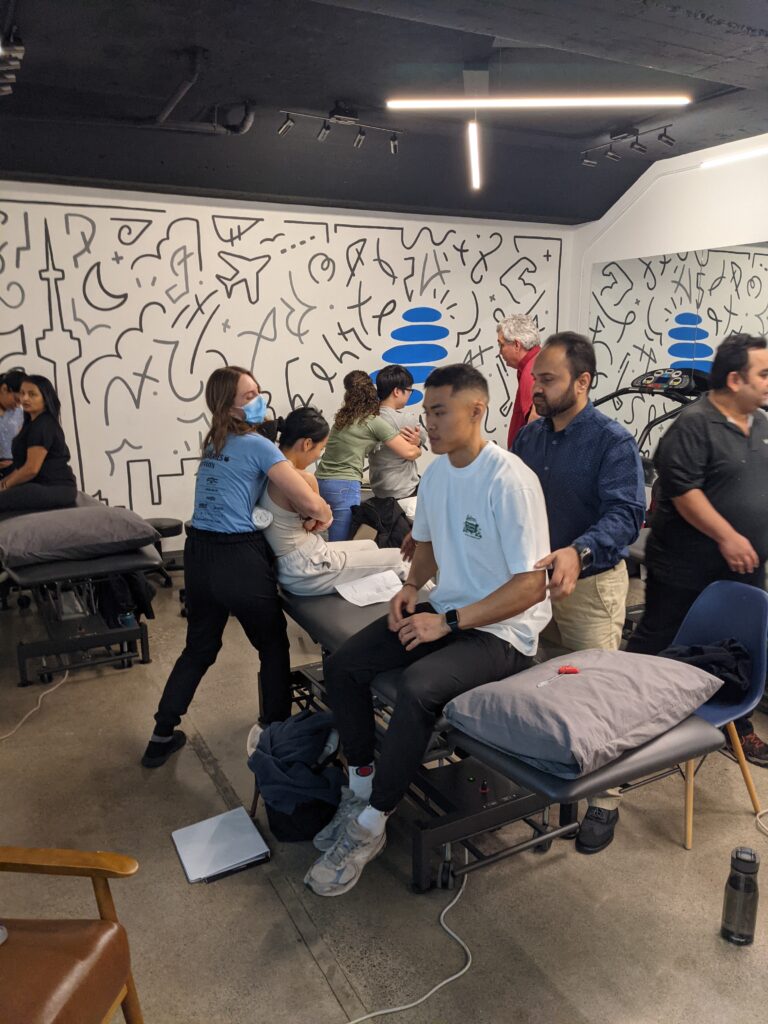
When people book their first physiotherapy appointment, they often have a picture in their mind of what the session will look like.
For many patients, that image includes hands-on treatment.
They expect the physiotherapist to assess joints, release tight muscles, or use techniques such as mobilization or soft tissue therapy. These approaches fall under a category commonly called manual therapy.
But is this expectation real? And is hands-on care still an important part of modern physiotherapy?
Research suggests that many patients do expect manual therapy when they seek physiotherapy treatment, and understanding these expectations helps clinicians deliver better care.
What Is Manual Therapy?
Manual therapy refers to hands-on techniques used by physiotherapists to assess and treat musculoskeletal conditions.
These techniques may include:
- Joint mobilization
- Soft tissue release
- Muscle and fascia treatment
- Assisted stretching
- Trigger point therapy
Manual therapy is often used to reduce pain, improve mobility, and help patients move more comfortably so they can participate in active rehabilitation.
Do Patients Expect Manual Therapy?
Research suggests that many patients associate physiotherapy with hands-on care.
Qualitative studies examining patient perceptions show that individuals frequently describe physiotherapy using terms such as:
- “massage-like treatment”
- “hands-on therapy”
- “joint movement”
- “muscle release”
These descriptions reflect how strongly manual therapy is embedded in the public understanding of physiotherapy.¹
Other research investigating patient expectations in physiotherapy found that hands-on treatment is among the most common elements patients hope to receive, along with pain relief and advice for managing their condition.²
Studies looking at physiotherapy for migraine patients found similar expectations, with a large majority of participants reporting they expected manual therapy to be part of their treatment.³
Why Hands-On Treatment Matters to Patients
Even though physiotherapy has evolved to emphasize exercise and rehabilitation, manual therapy continues to play an important role in patient care.
Patients often value manual therapy because it can provide:
1. Short-Term Symptom Relief
Hands-on techniques may temporarily reduce pain or stiffness, making it easier for patients to begin exercises or movement therapy.
2. Individualized Care
Manual assessment and treatment allow physiotherapists to better understand how a patient’s body is responding to movement and load.
3. Trust and Therapeutic Alliance
Physical interaction can strengthen the relationship between patient and clinician, which research shows can improve engagement and adherence to treatment.
The Modern Role of Manual Therapy in Physiotherapy
Today, physiotherapy treatment is multidimensional.
While manual therapy can help reduce symptoms, long-term recovery usually depends on a broader strategy that includes:
- targeted exercise therapy
- movement retraining
- education and self-management strategies
- progressive loading to rebuild strength and tissue capacity
Manual therapy often works best as a starting point, helping patients move more comfortably so they can begin active rehabilitation.
Why Load Progression and Confidence Matter
A key goal of physiotherapy is helping patients return to the activities that matter to them — whether that’s running, lifting weights, playing sports, or simply moving without pain.
To do this, treatment typically includes:
Gradual load progression
Tissues such as muscles, tendons, and joints adapt when load increases gradually over time. Progressive strengthening helps build resilience and reduce the risk of recurring injury.
Confidence in movement
Injuries often create fear of movement. Through guided rehabilitation and successful movement experiences, physiotherapy helps restore confidence in the body.
Manual therapy may help reduce symptoms early in recovery, but exercise, progressive loading, and confidence-building drive lasting results.
What to Expect in a Physiotherapy Session
A typical physiotherapy session may include a combination of:
- physical assessment and movement analysis
- hands-on manual therapy when appropriate
- personalized exercises
- education about your condition
- strategies to safely increase activity levels
This combination allows treatment to address both short-term symptoms and long-term recovery goals.
The Takeaway
Research shows that many patients expect manual therapy when attending physiotherapy.
However, the best physiotherapy care doesn’t rely on one approach alone.
Instead, it combines:
- hands-on treatment when appropriate
- individualized exercise programming
- gradual load progression to safely build strength and resilience
- education and self-management strategies
- confidence-building through guided movement and successful return to activity
Manual therapy can help reduce symptoms and create an entry point into rehabilitation, but long-term recovery depends on progressively loading tissues, restoring movement capacity, and helping patients regain confidence in their bodies.
This balanced approach allows physiotherapy to deliver what patients often expect — while still focusing on the long-term outcomes that matter most.
References
- Fernández-de-Las-Peñas C, et al. Patient perceptions of physiotherapy interventions for migraine: A qualitative study. Musculoskeletal Science and Practice.
- May S. Patient expectations of physiotherapy care: A systematic review. Physiotherapy Research International.
- Hoving JL, et al. Patient expectations and satisfaction in physiotherapy treatment. Australian Journal of Physiotherapy.