

How Do I Describe that I’m feeling”Dizzy”?
One of the most challenging parts of dealing with a vestibular issue or a concussion is trying to describe how you are feeling to your friends, families, and health care practitioners. Most people tend to use the word “dizzy” to describe any feelings of off balance, light headedness, spins, or other similar feelings.
Dizziness is actually a very vague term that is not an accurate depiction of what is going on. It can be helpful to figure out a more specific term to describe the way you are feeling. Here are a few terms that we commonly use to help differentiate different types of dizziness:
- Lightheaded: Feeling dehydrated, clouded vision, or feeling like you might faint
- Disequilibrium: Decreased balance and unsteadiness, may also feel changes in your depth perception
- Rocking or swaying: Feels as though you have just stepped off of a boat
- Motion sickness: Episodic fatigue, nausea, headache
- Oscillopsia: Things appear to be moving up and down. This feeling only occurs when the eyes are open.
- Floating: Feeling as though you have a decreased perception of your surroundings, or a decreased sensation of contact with the ground/chair
- Vertigo: Feels as though you or the room is spinning (similar to the feeling when you have had 1 too many glasses of wine). Vertigo is typically worse with movements like rolling over in bed.
It is important to clearly define what you are feeling because different types of dizziness are caused by different mechanisms within the body. For example, vertigo is caused by a disruption in the vestibular system, whereas feeling lightheaded is caused by things like low blood pressure, low blood sugar, or dehydration.
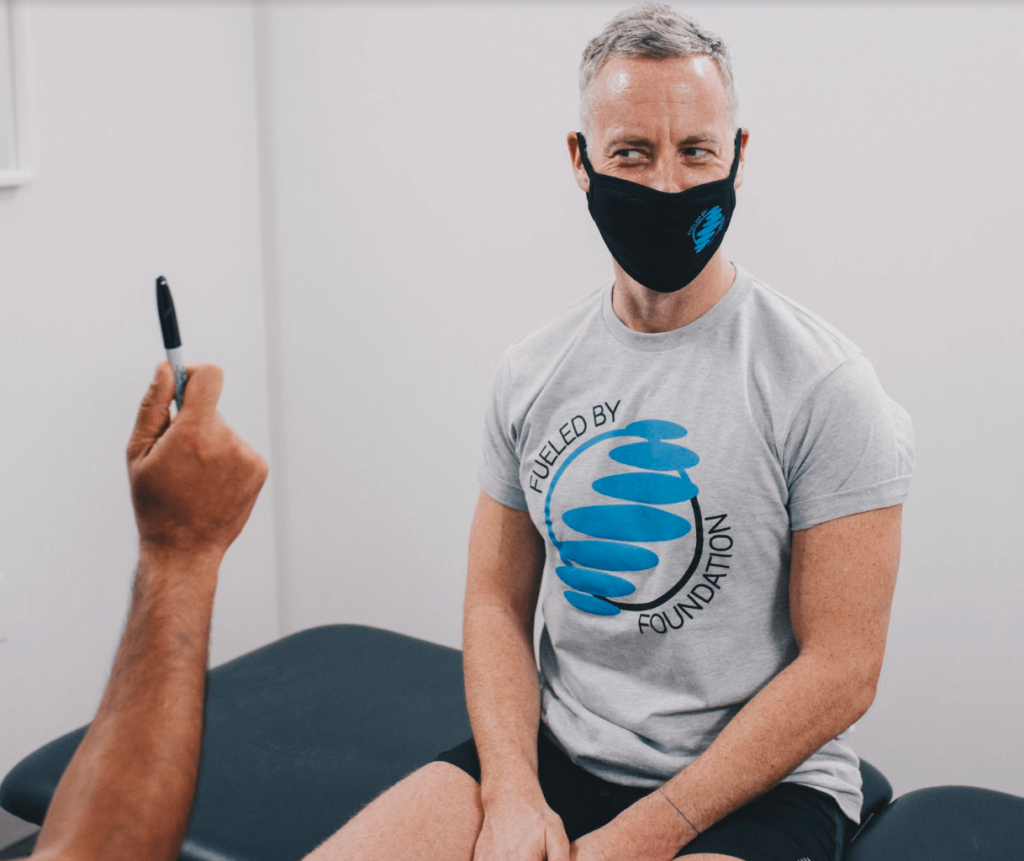
If you are experiencing, or have ever experienced one of these symptoms before, but are still having difficulties categorizing it, don’t hesitate to contact one of our vestibular physiotherapists. We can help you identify what type of dizziness you may be experiencing, and then come up with a treatment plan to help eliminate these symptoms as soon as possible!
FREE 15 MIN DISCOVERY CALL
If you’d like to hear how vestibular rehab can help you, speak with one of our vestibular physiotherapists virtually.