

What is the difference between a diagnosis of concussion and post-concussion syndrome (PCS)?
A concussion is a form of mild traumatic brain injury (mTBI) that occurs from a direct or indirect blow or force to the head or neck region. Concussions can result from falls, blunt force trauma, sports-related injuries, car accidents, and whiplash, among other causative factors. Most symptoms of concussion, when managed properly, can recover after 4-6 weeks. However, up to 40% of patients develop and report persistent symptoms following their concussive episode, sometimes weeks, months, or years after their initial injury. This is referred to as post-concussion syndrome (PCS).
What are the symptoms of a concussion?
Initially, the patient or athlete may experience an altered state of consciousness, which may involve an actual loss of consciousness. Concussions DO NOT require loss of consciousness to be diagnosed as a mild traumatic brain injury. In fact, most concussions do not include a loss of consciousness and therefore patients are often unaware that their brain may have been injured. The symptoms can include any or all of the following: dizziness, headaches, neck pain and muscle tension/spasms, “brain fog,” decreased mental energy and alertness, fatigue, excessive sleep, insomnia, loss of appetite, mood swings, irritability, anxiety, depression, altered memory, difficulty concentrating, migraines, difficulty with multi-tasking, lack of interest, nausea, decreased balance and decreased tolerance for exercise and movement, in general (especially head movement).
Read Reviews From Clients Who Found Relief With Physiotherapy
How long-lasting are the effects of a concussion?
Studies have shown that the effects of head injury and concussion can be long-lasting following the initial injury. During our extensive history-taking and patient interview, we always ask patients to recall any history of falls, slips, bumps, or car accidents that may have contributed to a history consistent with a head injury. There can be instances when patients may have developed some of the symptoms following their concussion without ever realizing the symptoms and the head injury was directly related.
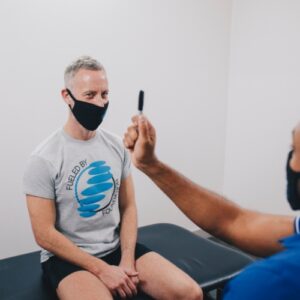
What does treatment for concussion and PCS include?
Our specialized therapists focus on identifying your primary impairments and concerns in your initial assessment to best individualize your post-concussion care. Every brain injury is like a fingerprint- they are all unique to the individual. Therefore, the history and exam are the most important part of developing your customized treatment plan.
Treatments can consist of manual therapy techniques to the cervical (neck) and thoracic (upper back) spine, balance and coordination tasks, strengthening, and vestibular rehabilitation. Exercise and education around lifestyle, exposure to screens, posture/positioning, and return to sport/work are the foundation of your recovery. Can results be achieved even if my concussion was a long time ago?
Studies have shown that our brain is the most plastic (trainable and malleable) organ we have! We are able to hone the benefits of neuroplasticity to “re-train the brain” so that you can make new neural connections and restore networks that may have been impaired- even if your injury occurred years ago! Typically, our patients are able to improve significantly over the 3-6 months that they participate in our post-concussion program and are able to return to a level of function and activity that improves their quality of life. If you have additional questions, feel free to ask your healthcare provider or give us a call!
Learn more about our unique post-concussion program here!
Our Post-Concussion Program is available at:
This service is available at
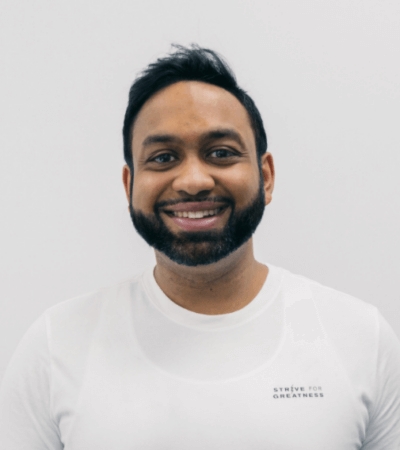
Raj Suppiah
PT, Cert. MDT, Cert. Vestib PT, Cert. Sport PT
Co-Founder, Registered Physiotherapist (Partner), Certified Sport Physiotherapist, Vestibular Physiotherapist
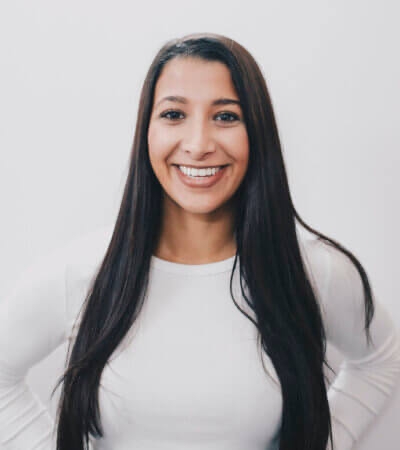
Tina Homayouni
PT, FCAMPT, CIDN
Registered Physiotherapist (Senior Associate), Concussion & Vestibular Physiotherapist
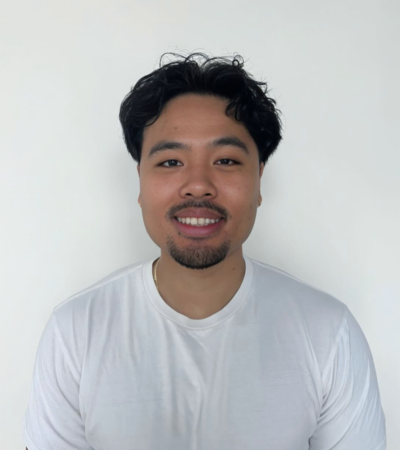
Jason Ngai
MScPT
Registered Physiotherapist, Certified Strength and Conditioning Specialist, Concussion Rehabilitation Consultant
Request an Appointment
For our current clients,
If you’re a new client, schedule your first session with us by completing the form below. You will then be taken to our online booking site, where you must complete an online profile and book your appointment. We will contact you if you have any difficulties!