

Sometimes You Just Need a Thoracic Outlet For Your Problems
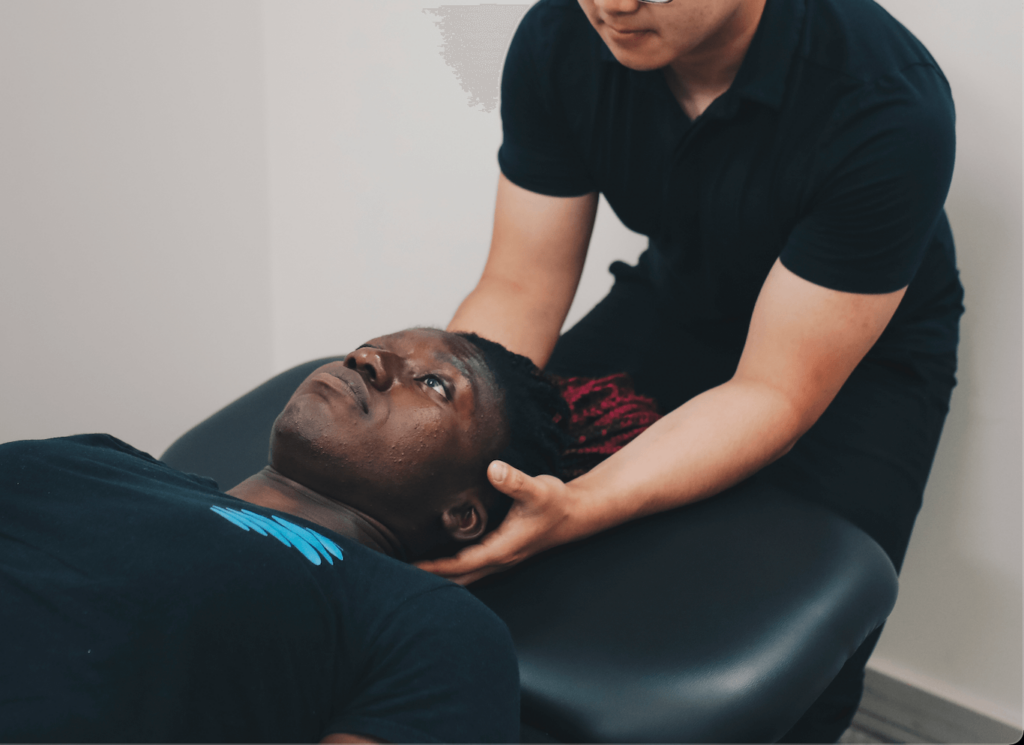
Symptoms of Thoracic Outlet Syndrome: Massage Therapy Can Help
If you are anyone in the rehabilitation world, you know how cheesy the title to this blog post is but I promise it was with the best of intentions.
Recently in my practice, I have seen an overwhelming number of people come with pain in the neck, shoulder, or arm and an accompanied numbness or tingling running down their arms into their fingers. Does that sound like you? If it is I wouldn’t worry too much because I promise you are not going to lose your arm (99% sure…).
You are most likely experiencing a mild version of a condition called Thoracic Outlet Syndrome (TOS).
Simply put TOS is a term that is used to describe a group of disorders that occur when there is compression, injury, or irritation of the nerves or blood vessels in the lower neck and upper chest area.
One of the first thoughts that can creep into your mind after doting on the fact that these sensations are wildly uncomfortable is, why is this happening to me?
This is a great place to start and here we will take a look at some of the
Common causes for the TOS symptoms you are feeling:
- Improper sleeping positions
- Poor posture
- Participation in sports that require repetitive shoulder movement (Baseball, Swimming, Tennis, etc.)
- Repetitive injuries from carrying heavy shoulder loads in a professional capacity
- Weightlifting
Now that you know what some of the causes let us explore what that means in a practical sense of how these causes manifest themselves on your body in a muscular sense and result in the symptoms associated with this condition. For example, whether you have slept with your neck completely bent to one side, or been sitting in your work chair for what seems like the 14th hour in a row in the shape of the letter C, that next day is not pretty. Chances are if you are feeling some of the symptoms we previously discussed then…
The following muscles are commonly tight/contracted:
• Scalenes (a group of 3 muscles at the side of your neck)
• Sternocleidomastoid (SCM) (long muscle on either side of your trachea)
• Pectoralis Major/Minor (chest muscles)
• Subscapularis (the muscle directly on the front side of your shoulder blade)
• Upper traps (shoulder muscles on both sides of the neck)
• Levator Scapulae (stringy muscle on the inside top corner of your shoulder blade going to your neck)
When these muscles get tight, there are two things that commonly happen:
1. The Scalenes, SCM, Pectoralis Minor muscles specifically are the primary culprits in creating the compression or irritation of your nerves or blood vessels in the lower neck and chest area which end up causing that associated symptomatic numbness/tingling down the arm and into the fingers.
2. The Pectoralis Major, Subscapularis, Upper Traps, and Levator Scapulae are the primary culprits in creating that classic poor posture in the upper body with the shoulders rolled forward and hiked up towards your ear. With these tight muscles pulling you into a poor postural position the effects of the compression/irritation of your nerves/blood vessels in the lower neck and chest area are amplified to another level.
As your Registered Massage Therapist, the primary concern that I have is to locate which of these muscles are implicated in your specific symptomatic presentations of TOS through assessment and palpation. Then I will create a specific treatment plan which incorporates the following techniques in order to relieve the tension through the muscles in question and alleviate the compression/irritation of your nervous and blood vessel structures.
Your specific treatment plan could incorporate the following massage therapy techniques:
• Swedish Massage
• Myofascial Release (MFR)
• Active Release Therapy (ART)
• Ischemic Compression
• Passive and PNF Stretching
Disclaimer: Thoracic Outlet Syndrome is a very broad condition with a wide variety of anatomical/practical causes and outcomes, which can be rehabilitated by a multitude of methods. This is intended to get a calm internal dialogue started and take the edge off the never ending spiral of personal health concerns which can result if these symptoms pay you a visit. So no matter how bad it seems, take a deep breath and realize that I am always here to help you bring your body back to normalcy and the only outlet you will need after a couple of sessions with me, is the one you use to charge your phone!
Written by:
