

How To Relieve Dizziness and Vertigo
Lisa (not her real name) was tired of dealing with dizziness. Specifically, she was tired of dealing with vertigo, a spinning sensation that would suddenly hit her at seemingly random times throughout the day. The attacks made her wary of driving, and she worried she might fall and injure herself at home.
But then Lisa learned something interesting: physiotherapy can help with vertigo and dizziness. She had some experience with PT, having gone through rehabilitation after a shoulder injury, but it never occurred to her that PT might be the solution to her issues with vertigo.
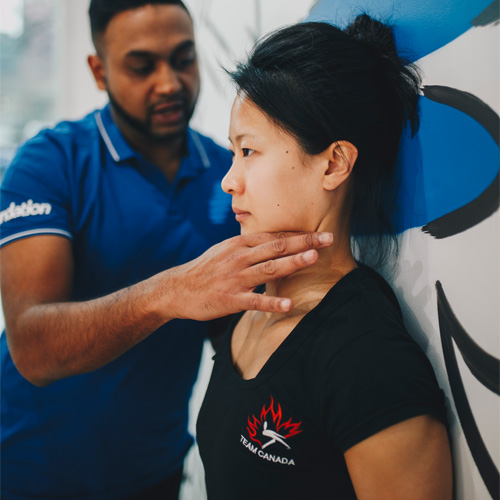
When Lisa reached out to our team, her care began with a full-body assessment led by one of our physiotherapists and found that she had BPPV (benign paroxysmal positional vertigo). It develops due to the buildup of tiny crystals in the inner ear, which interfere with the body’s vestibular system.
We helped Lisa understand that her vertigo attacks weren’t as random as she thought. Instead, they occurred due to specific head movements that jostled the crystals. We helped identify those movements and performed some hands-on maneuvers that dislodged the crystals so they could no longer cause symptoms.
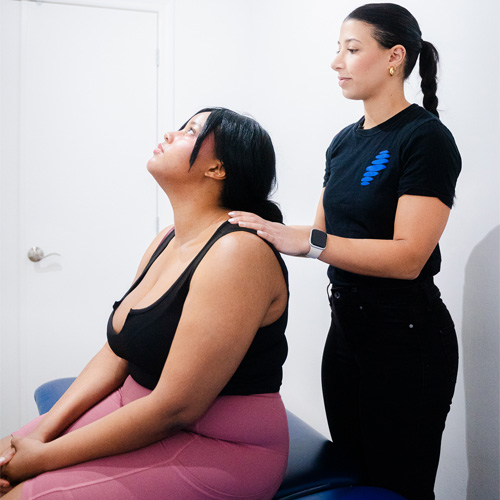
In addition to vestibular maneuvers, Lisa also received support from other professionals on our team. A chiropractor helped assess her cervical spine (neck) mobility, and a massage therapist worked with her to reduce neck tension that may have contributed to her balance issues.
Because vertigo (and sometimes even dizziness) can be quite debilitating, people are often surprised to discover that its origins are typically mechanical (or physical) in nature. Fortunately, because of this, PT is an excellent choice for finding relief.
To learn more, call to schedule an appointment.
Why Do We Feel Dizziness and Vertigo, Anyway?
First, it’s important to understand that dizziness and vertigo are technically two different things.
Dizziness is an umbrella term that can refer to any feelings of lightheadedness or wooziness. Most of us have experienced dizziness: maybe you stood up too quickly or felt a headrush when you got off a roller coaster. It can have other causes, too, such as medication side effects or low blood sugar.
Vertigo is a type of dizziness. It refers to a particular sensation: that you or the room is spinning around even when you’re standing still. It typically stems from issues with your vestibular system, which controls your body’s sense of balance.
The vestibular system is primarily located in your inner ear, although parts are also in your cerebellum. Most people who experience vertigo have inner ear issues, whether BPPV (the most common cause of vertigo) or another underlying condition, such as Meniere’s disease.
In some cases, vertigo might stem from issues in your cerebellum, although those are rare.
The Key Factor: A Personalized Approach
Physiotherapy offers different options to help people manage their dizziness and vertigo. We always begin treatment with a comprehensive assessment to help us understand the root cause of your symptoms.
As with Lisa, we’ll also try pinpointing any triggers for dizziness or vertigo. By identifying these triggers, you can work to avoid them. For example, we can show you how to modify activities to reduce the likelihood of vertigo attacks. We’ll also perform specific movements and positions to restore inner ear function, just as we did with Lisa.
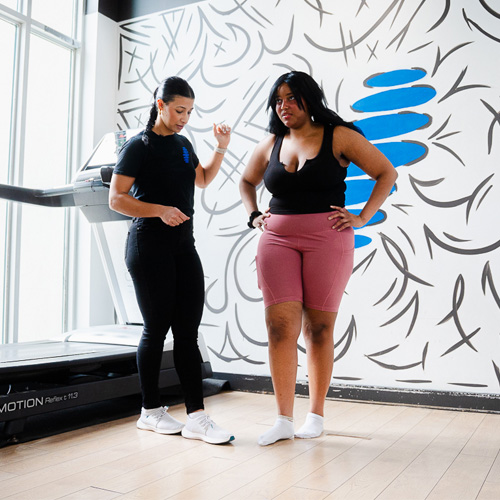
Another way we help people with dizziness and vertigo is through dedicated balance training. Vertigo can be unnerving, but it’s not usually dangerous in and of itself. Instead, the danger comes from an increased fall risk. Balance training helps improve your overall balance and stability through progressive balance challenges and strengthening exercises, especially in the core.
In these cases, our physiotherapists often collaborate with strength and conditioning professionals on our team to build customized programs that address your strength, posture, and joint control in a way that supports recovery.
A Specialized Approach: Vestibular Rehabilitation
If your vertigo stems from an impairment in your vestibular system, we may suggest you begin a vestibular rehabilitation program. Vestibular rehab is a specialized type of physiotherapy that focuses specifically on inner ear dysfunction. While your exact program will be personalized, it generally includes the following:
- Relaxation techniques to help you navigate a vertigo attack
- Habituation exercises that help you become accustomed to the vertigo sensations so that they lessen over time
- Vision exercises to improve your gaze stability, which often plays a role in vertigo symptoms
These techniques are paired with balance and core conditioning work. If needed, your physiotherapist may collaborate with other specialists on our team to round out your plan, ensuring all parts of your recovery are covered.
Finding Stability Starts with the Right Support
At Foundation Physiotherapy and Wellness, our team works together to make sure every part of your treatment supports long-term relief. We combine specialized vestibular care with full-body assessments and collaborative treatment planning.
Call today to schedule an appointment!
What Does a Typical Vestibular Assessment Look Like?
Vestibular assessments are specialized physiotherapy assessments that focus on assessing clients experiencing symptoms of dizziness, limited balance, difficulties with visual concentration and/or neck pain. This may apply to anyone who has had a concussion, a history of head or neck injury, inner ear infections, or simply anyone who is experiencing these types of symptoms.
Subjective Assessment:
– We will start by chatting about your symptoms. When did they start? How did they start? Is there anything that aggravates them? Anything that makes them better? Once we feel like we have reached a good understanding of what you are feeling, we will have a look at physical testing.
Neck Assessment:
– We will test range of motion, combined movements, stability and strength of your neck. Limitations in any of these can play a huge role in your vestibular symptoms.
Oculomotor (Visual) Assessment:
– We will do visual tests such as tracking an object moving left, right, up and down, and looking back and forth between two objects.
Balance Assessment:
– We will test your balance in standing, walking and single leg standing. We may also add things to challenge balance such as changing head position and surface stability.
Inner Ear Assessment:
– Depending on your specific symptoms, we may also perform what is called the Dix Hallpike test. This involves quickly changing position from sitting to lying down, with your head slightly rotated to one side. This helps us to identify if your dizziness is being caused by your vestibular system.
Treatment Plan:
– Depending on our findings we will come up with a treatment plan together to best suit you. This may include hands on therapy, visual training, balance training, etc. We want you to get back to feeling your best as soon as possible!
If you have any questions about vestibular assessments, or want to know if a vestibular assessment would be right for you, don’t hesitate to contact us!
FREE 15 MIN DISCOVERY CALL – click the link if you’’d like to hear how vestibular rehab can help you to speak with one of our vestibular physiotherapists.
Questions About Vestibular Rehabilitation?
Book a discovery call today
Refer a Friend
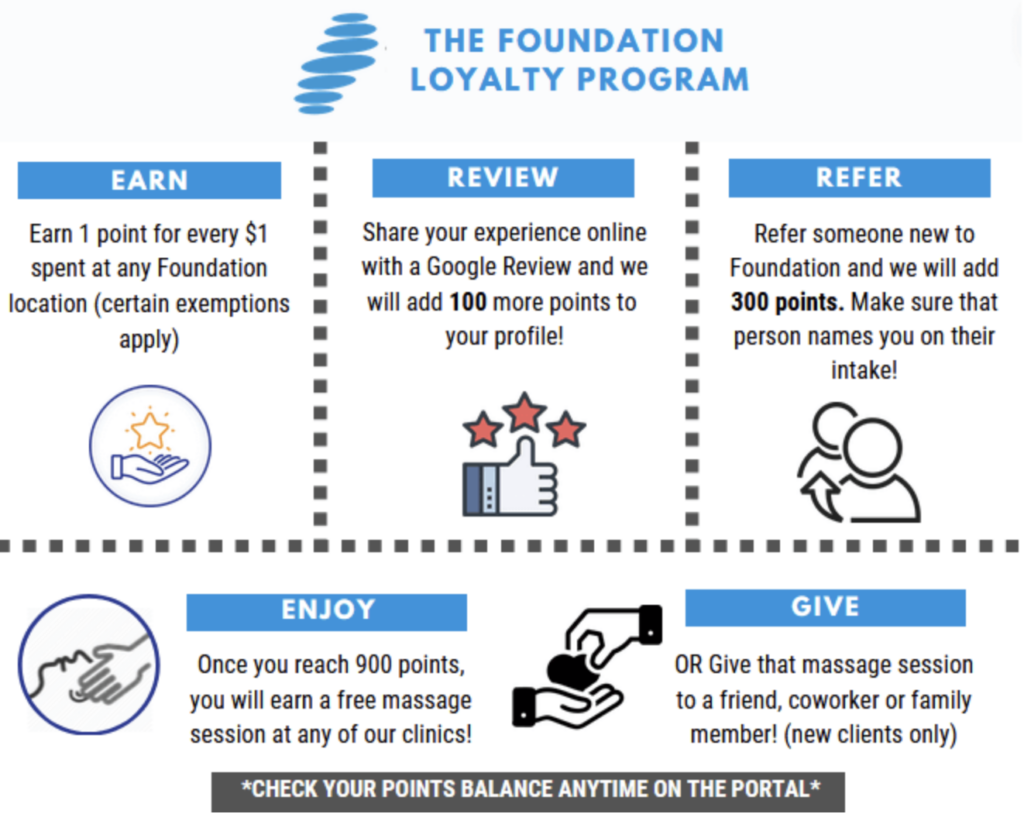
If you’ve experienced the outstanding care at Foundation Physiotherapy, why not share it with your friends? Referring them means giving them access to personalized treatment that can make a real difference in their health and well-being. Help them find a trusted healthcare partner.
Refer a friend, get 300 loyalty points!
Collect points to earn a free massage!
Home Care Physiotherapy
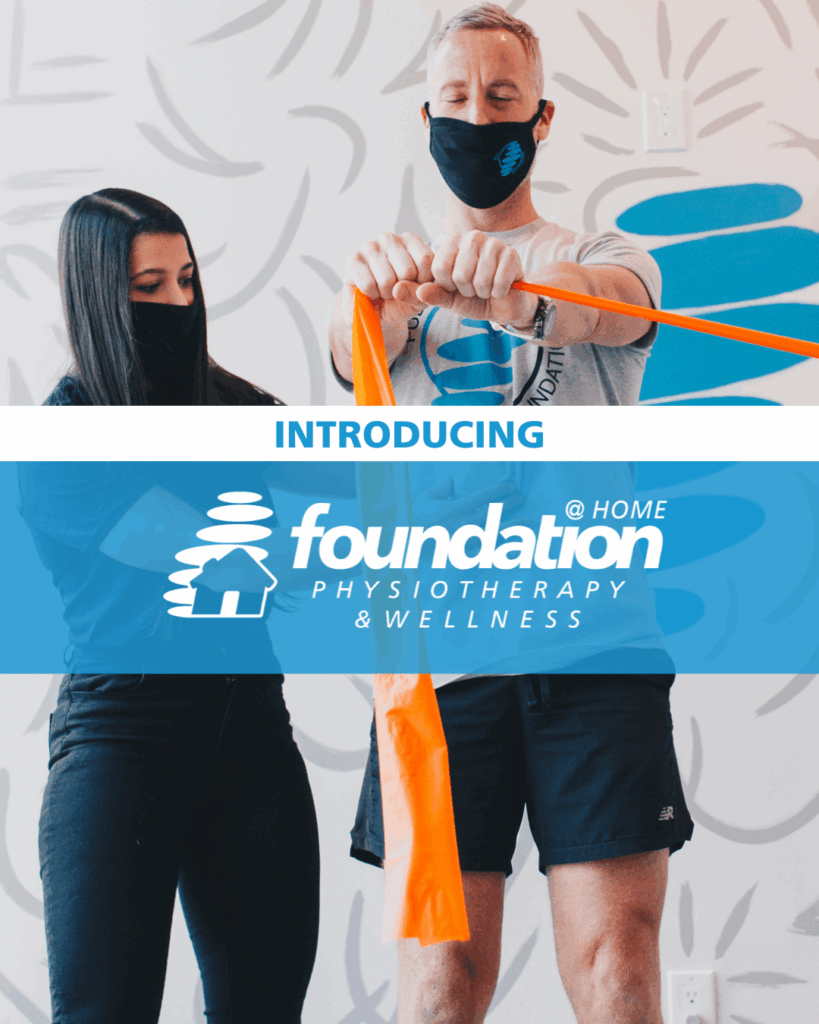
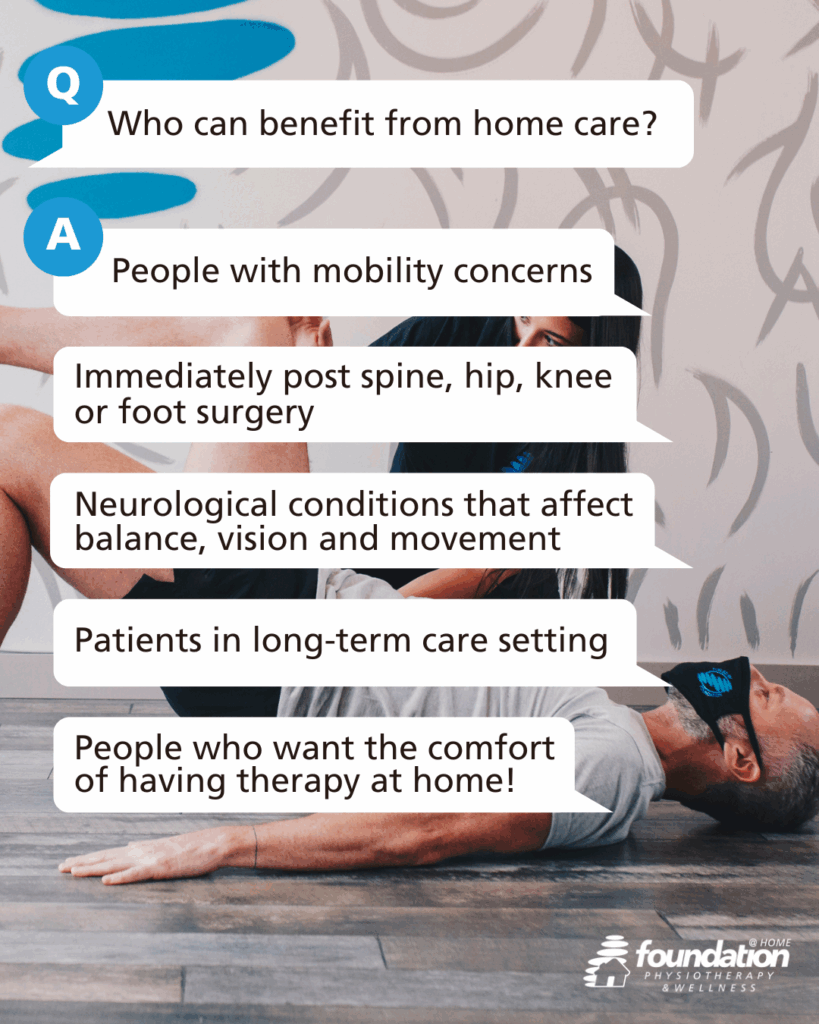
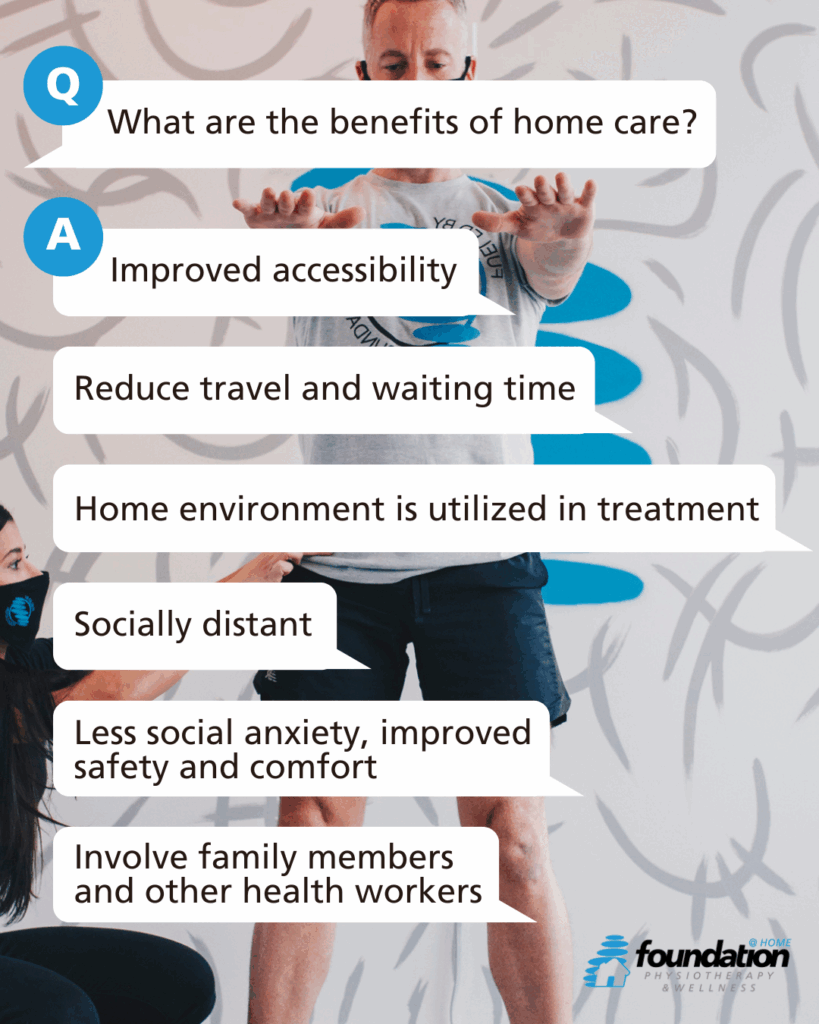
If you or a loved one is facing physical limitations due to surgery, stroke, or other health challenges, Foundation Physiotherapy & Wellness in Toronto now offers Foundation @HOME—bringing expert physiotherapy directly to your doorstep. Our licensed therapists provide personalized, clinic-quality care in the comfort of your home, making recovery more accessible, convenient, and tailored to your environment.
With benefits like reduced travel, improved comfort, and the ability to involve family in care, our in-home services support safe, effective rehabilitation. From your initial assessment to customized treatment plans and follow-up sessions, we’re here to help you regain independence, mobility, and a better quality of life—right where you live.
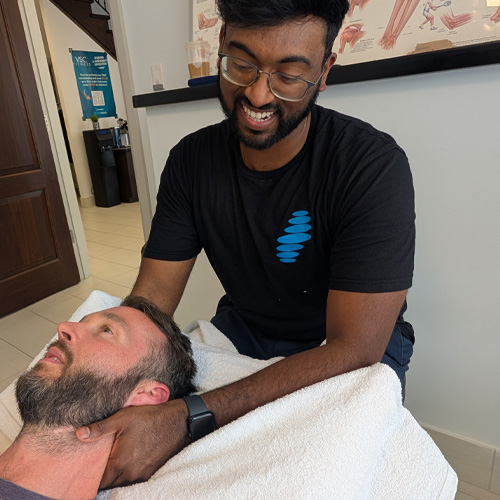
Discover the Power of Manual Therapy for Headache Relief
Manual therapy is a cornerstone treatment in physical therapy for cervicogenic headaches. This approach involves hands-on techniques targeting the neck and upper back muscles, joints, and soft tissues.
Let’s dive into how these techniques work and their specific benefits.
- Soft Tissue Mobilization: This technique focuses on the muscles and surrounding tissues. Our therapists use their hands to massage, stretch, and apply pressure to the soft tissues in the neck and upper back. This helps to release muscle tension, improve blood circulation, and reduce pain. It’s particularly effective for patients with tight muscles contributing to their headaches.
- Joint Mobilization: This technique involves our therapists moving your neck joints through their natural range of motion. This mobilization helps to loosen stiff joints, improve flexibility, and reduce pain.
- Trigger Point Therapy: Trigger points are tender, tight spots in the muscle. Our skilled therapists apply direct pressure to these points to release tension in the neck and shoulder region.
- Cervical Traction: In this technique, therapists gently stretch the neck to decompress the cervical spine, relieving pressure on the nerves to reduce headache pain.
These manual therapy techniques are often combined with other interventions like targeted stretches and strengthening exercises for a comprehensive approach. Our goal is to alleviate your headache symptoms and address the underlying neck issues causing them.
If you’ve been struggling with neck pain and headaches, remember that manual therapy can offer significant relief and may be the key to stopping cervicogenic headaches!
Healthy Recipe:
Apple, Goat Cheese, and Pecan Pizza
Experience a delicious twist on pizza with the sweet crunch of apples, the creamy tang of goat cheese, and the nutty richness of pecans. This unique combination creates a perfect balance of flavors that’s both savory and slightly sweet. Easy to make and sure to impress, it’s a gourmet treat you’ll want to share.
Ingredients
- 1lb six-grain pizza crust
- Cooking spray
- 3 cups thinly sliced Fuji apple
- 1 cup crumbled goat cheese
- 2 tsp chopped fresh thyme
- 1 tbsp extra-virgin olive oil
- 2 tsp Dijon mustard
- 1 tsp fresh lemon juice
- 1 1/2 tsp honey
- 2 cups baby arugula
- 3 tbsp chopped pecans, toasted
Instructions
Preheat oven to 450°. Place pizza crust on a baking sheet coated with cooking spray. Arrange apple slices evenly over pizza crust; top with cheese. Sprinkle thyme evenly over cheese. Bake at 450° for 8 minutes or until cheese melts and begins to brown. Combine oil and next 3 ingredients (through honey) in a medium bowl, stirring with a whisk. Add arugula; toss gently to coat. Sprinkle pecans evenly over pizza; top with arugula mixture. Cut pizza into 6 wedges.
Follow us on Social Media!

Share the Love
Had a great experience at our clinics? We’d love to hear from you!
Leave us a review and you’ll earn 100 LOYALTY POINTS!
Your feedback not only helps us grow but also guides others on their journey to better health!

Subscribe to our updated YouTube Channel!
Our Patients Get Great Results
“I’ve been working with Pakto for physiotherapy, and it’s been a really solid experience. He’s super knowledgeable and professional, but what really stands out is how easy he is to talk to. Our sessions always fly by because the conversation is great, and he creates a chill, comfortable vibe while still keeping things focused. Highly recommend Pakto if you’re looking for someone who knows their stuff and makes physiotherapy feel less like a chore.”
-Arjun K.