


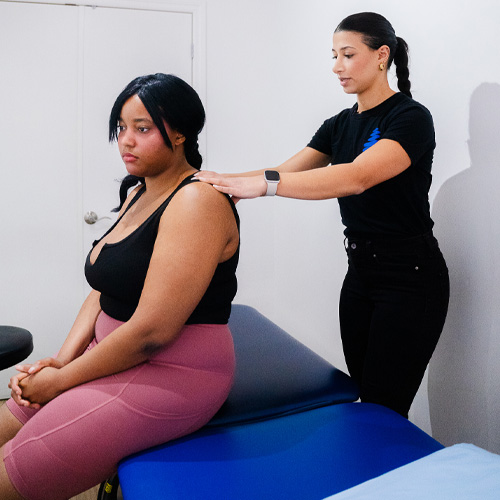
Finding the Foundation: What’s Causing Your Shoulder Pain?
No one likes dealing with shoulder pain. The discomfort and immobility can prevent you from doing daily activities like reaching something off a high shelf or brushing your hair. So, when your shoulder starts hurting, it’s important to figure out why.
Often, shoulder pain stems from an injury. For example, take rotator cuff tears, in which the muscles and tendons that wrap the shoulder become damaged: these injuries are common and can result from a sudden traumatic injury like a fall or develop gradually.
Sometimes, the gradual development of rotator cuff injuries and shoulder pain might not have such a clear-cut cause. One of our clients learned this for herself–we’ll call her “Diana.” She was dealing with persistent shoulder pain and couldn’t figure out why. Fortunately, our team at Foundation Physiotherapy and Wellness was able to help
The culprit? It turned out to be Diana’s posture.
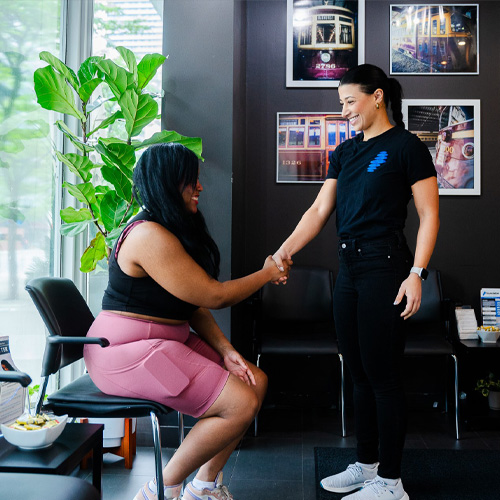
Meet Diana, 34 years old, Data Analyst
Diana works as an analyst at a firm in Toronto. She enjoys her work, but it does require her to spend long hours sitting in front of a computer. Even on her work from home days, her sitting habits don’t change. In fact, they may get worse.
Diana enjoys running and lifting weights. She also goes to a nearby spin studio and yoga classes.
Her issues with right shoulder pain began gradually. Both shoulders had always been a little stiff, but the restricted range of motion on the right side had worsened in the last few months. She also noticed tightness in her chest and twinges of pain throughout her shoulders and neck. She started to notice more difficulty with lifting weights and soreness on the days after her workouts.
Diana tried to ignore her symptoms at first, thinking they’d eventually go away on their own. Instead, they became more frequent, worsening enough that Diana struggled to sit at her desk long enough to get any work done. That was when she came to visit us.
Finding the “Foundation”
Diana booked her initial assessment with a physiotherapist. She underwent a health history, intake of her lifestyle and movement habits, and a history of prior injuries. The second half of the assessment focused on testing her movement and strength, including a postural screen.
The postural screen revealed a few things. After reviewing Diana’s posture while she was sitting, standing up, and moving around, her physiotherapist noticed the following:
- She held her head forward in relation to her shoulders, a stance called “forward head posture.”
- She tended to round her shoulders, giving her slight kyphosis, or a hunched posture, in her upper back.
- Her shoulder blades were protracted away from her spine.
The objective assessment revealed the following:
- Tenderness and stiffness in her upper back (or thoracic spine)
- Reduced range of motion on her right shoulder compared to her left, especially in positions stressed above the head
- Significant weakness of her right shoulder muscles, including the biceps, and rotator cuff (supraspinatus)
- Positive impingement tests (when the shoulder joint is stressed, this caused pain)
The signs were clear: Diana had developed upper cross syndrome. Even though her symptoms were in her shoulders, her neck and upper back were major contributors as well.
Upper cross syndrome is a condition marked by postural changes that have a waterfall effect throughout the body. The physiotherapist determined Diana’s postural impairments had impacted the muscles in her upper back and shoulder girdle. As a result, the movement in her upper body became impaired, leading to her pain and mobility restrictions.
Diana’s “Live Better” Treatment Plan
Now that we understood why Diana was experiencing shoulder pain, we could develop a full-body approach to correct her posture and address the muscular impairments and imbalances that had led to her symptoms in the first place.
The foundation to Diana’s recovery was in treating more than Diana’s shoulder. Addressing her neck and upper back, along with commitment to her treatment plan, were key to recovery.
Weeks 1-3
– Physiotherapy 2/week, focusing on improving range of motion and reducing pain
Treatments used during this phase were: regular postural correction, reducing sitting, manual therapy to the shoulder and neck muscles, mobility exercises, education, and pain management
Weeks 4-6
– Physiotherapy 1/week, focusing on improving strength and being monitored as she progressively returned to the gym
Treatments used during this phase were: manual therapy to the thoracic spine and shoulder blades, strength exercises, stretching post workout and movement corrections
– Started Massage therapy in week 5 to relieve muscle tension and reduce stress.
Weeks 8-12
– Physiotherapy every other week, focused on increasing her strength and reassessing shoulder, neck and upper back strength, as she returned back to her activities and normal workload
– Started Chiropractic in week 12 to address the regular stiffness in her upper back as a result of sitting
Monthly
– Continues with her chiropractor monthly to relieve stiffness and pain in the joints of the thoracic spine and neck
– Follows up with her physiotherapist monthly to discuss new goals, have her exercises reviewed and progressed, and gets manual therapy to improve flexibility in her shoulders, chest and necks
– Continues with massage therapy every two months to take care of her stress and tension
Diana is no longer in acute pain or an inability to move. She chooses to continue with physio, massage and chiro as both an accountability tool and recovery tool to manage her posture and function in her upper body.
Pain is Caused by Many things!
Diana learned the importance of posture and how many things contribute to her symptoms. The key to recovery was taking charge of her health, determining the causes and following her structured treatment plan. If you’re struggling with persistent shoulder pain, or anything really, we’ll dig down to the source–and give you the guidance you need to correct the issue.
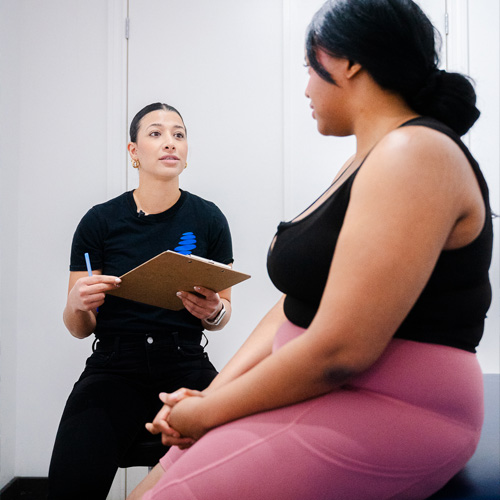
Join Us for a Healthier You – Book Today!
Return to Foundation Physio and Let’s Continue Your Journey to Wellness Together. Schedule Your Appointment Now!
Refer a Friend
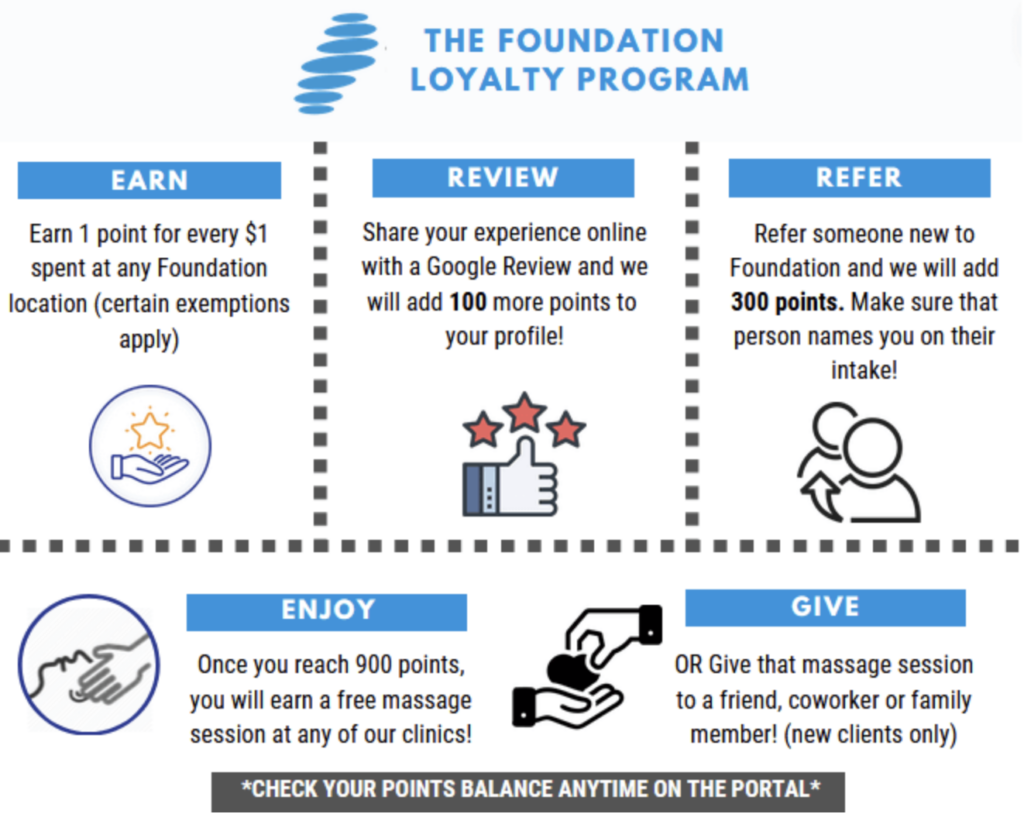
If you’ve experienced the outstanding care at Foundation Physioherapy, why not share it with your friends? Referring them means giving them access to personalized treatment that can make a real difference in their health and well-being. Help them find a trusted healthcare partner
Refer a friend, get 300 loyalty points!
Collect points to earn a free massage!
Seasonal Recipe
Easy Valentine’s Day Champagne cupcakes
Ingredients
- Cooking spray
- 1 (18.25 oz) white cake mix
- 1 1/4 cups Champagne/sparkling white wine at room temperature
- 1/3 cup vegetable oil
- 3 eggs
- 1/2 cup butter, softened
- 4 cups confectioners’ sugar
- 1/4 cup Champagne or other sparkling white wine at room temperature
Directions
Preheat oven to 350 degrees F (175 degrees C). Spray 24 muffin cups with cooking spray. Mix cake mix and 1 1/4 cup Champagne in a large mixing bowl; stir in vegetable oil and eggs. Beat batter with an electric mixer on medium speed for 2 minutes. Pour batter into the prepared muffin cups, filling them 3/4 full. Bake cupcakes in the preheated oven until a toothpick inserted into the middle of a cupcake comes out clean, about 20 minutes. Cool cupcakes in pans for 10 minutes before removing to finish cooling, about 30 more minutes. Mix butter, 1 cup confectioners’ sugar, 1/4 cup Champagne, and vanilla extract in a bowl. Stir in remaining confectioners’ sugar, 1 cup at a time, until frosting is smooth and creamy. Spread on cooled cupcakes.
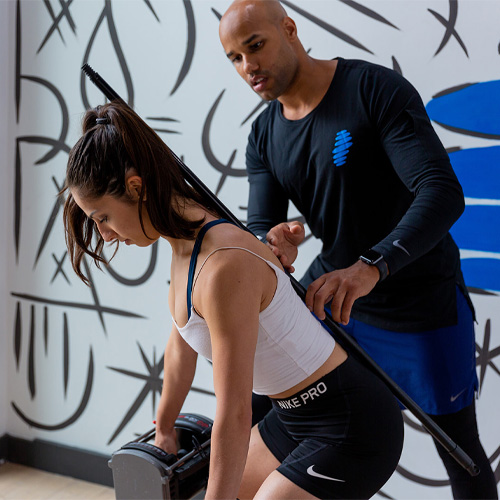
Put Your Health First in 2025. Live Better with a Stronger You
Sign up for your first Physiotherapy Strength & Conditioning session prior to January 31, and receive your 6th one free ($168 value)!
SIGN UP NOW
Here’s how you do it:
- Sign up at the form (button) above
- You will receive a voucher for your free session
- Our team will call you to book your S+C assessment before before January 31st.
- At your 6th session, use your voucher to get 100% off!
Follow us on Social Media!

Share the Love
Had a great experience at our clinics? We’d love to hear from you!
Leave us a review and you’ll earn 100 LOYALTY POINTS!
Your feedback not only helps us grow but also guides others on their journey to better health!

Our Patients Get Great Results
“Foundation is a great one-stop shop. I have visited the clinic for their massage therapists, physiotherapist, and their chiropractor Chantal. Everyone is great. Chantal really goes above and beyond for her clients. She is super thoughtful and also really knowledgeable. All of the recommended exercises and modifications for my current workouts have helped me feel so much better.”
– Kim S.
Meet Our Mentors!
Did you know Foundation has a unique onboarding and training program for all new team members! This group of mentors has more than 40 years of physiotherapy, massage therapy and chiropractic experience combined. The goal of our onboarding curriculum is to develop a confident Foundation practitioner with excellent client retention, clinical reasoning and client outcomes. We invest in our team to make sure that no matter who you choose to see, you’re in excellent hands!

Raj Suppiah
MScPT, Cert. MDT, Cert. Sport PT
Mentors on Client Expectations; and Lower Back and Neck Assessment

Jared Bruce
MScPT, Dip. AIM, FCAMPT
Mentors on Manual Therapy for
all major regions

Alexandra Sandler
BScKin, MScPT
Mentors on Caseload Management, Treatment Planning and Custom Orthotics

Karlyn Driedger
BScKin, MScPT, CIDN
Mentors on Pelvic Health, The Hip,
Lower Back and the Core

Abby Alovera
RMT
Mentors on Soft Tissue and
Massage Skills

Dr. Ryan Albert
DC
Mentors on Effective Exercise Presciption and Acupuncture

Tina Homayouni
MScPT, CIDN
Mentors on Clinical Reasoning