


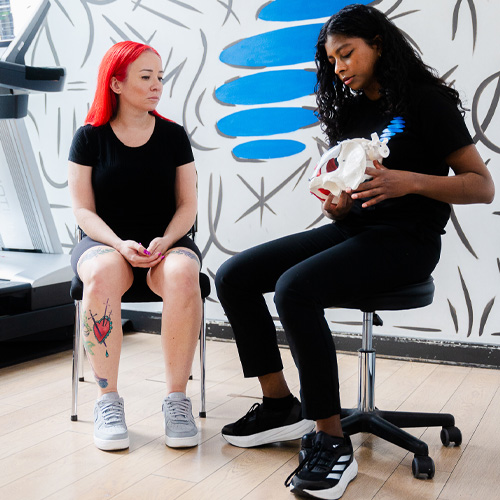
The Relationship Between Lower Back Pain and Pelvic Pain
Most of us will experience back pain at some point in our lives. We might get a little too enthusiastic when moving furniture or develop muscular imbalances from a sedentary job. But sometimes, back pain isn’t really back pain, it’s rooted in dysfunction in your pelvic area.
Unfortunately, pelvic pain is often harder to discuss than back pain. It can stem from dysfunction in the pelvic floor, the band of muscles that support your bladder, bowels, and reproductive organs, or from issues in the sacroiliac joints.
Both back and pelvic pain can affect men and women, but pelvic-related pain tends to be more common in women. Bodily changes during pregnancy are a frequent contributor. If you’re dealing with pain in your lower back or pelvic area, or both, call Foundation Physio to schedule an appointment. We take a full-body approach to care, and our integrated team will work together to identify the root cause of your pain and help you build lasting relief.

Understanding the Causes of Lower Back and Pelvic Pain
Lower back pain is widespread and has several potential causes, including herniated discs, sprains and strains, poor posture, and spinal arthritis–not to mention various contributing factors like poor posture or muscular weakness.
But if that pain spreads into your pelvic area, there may be something else going on. In fact, lower back pain without a clear underlying cause often stems from dysfunction in the pelvic area, such as the following:
- Impaired pelvic floor: Did you know that your pelvic floor muscles make up part of your core, which supports and stabilizes your spine? If your pelvic floor muscles are weakened or impaired, your back muscles have to do more work to compensate–setting you up for muscle strains or other injuries.
- Sacroiliac joint dysfunction: The sacroiliac joint is the joint that links the spine to the pelvis, so it should be surprising that if something’s wrong there, you may feel pain in both your lower back and your pelvic area. Arthritis, injury, and pregnancy can all cause issues in the sacroiliac joint.
- Pregnancy: Pregnancy itself is a common cause of pain throughout the lower back and pelvic area. There are two main reasons for this:
- Hormonal changes cause your ligaments to become looser in preparation for childbirth, which puts strain on your lower back and pelvis.
- Your center of gravity changes, and your growing baby can force your hips back at an awkward angle, leading to pain.
The Foundation Team Approach: Treating the Whole Body, Not Just the Symptom
At Foundation Physio, we believe that addressing pain in one area requires evaluating the entire body. That’s why your care starts with a comprehensive evaluation and may include collaboration among several providers. Our physiotherapists, pelvic health therapists, chiropractors, and other movement specialists work together to create a plan that supports full-body healing.
We begin with a full 1-1 assessment in a private space . Your therapist will take time to understand your symptoms, movement patterns, and any underlying issues. It’s important to share:
- The exact location of your pain. Other areas of pain, stiffness or weakness in the past 3-6 months
- The pain’s characteristics – is it burning? dull? aching?
- What makes your pain worse? What makes your pain better?
- Any restrictions in range of motion in the joints related to the area of pain?
- Any pelvic-related symptoms you might be experiencing, such as incontinence or discomfort with intimacy
Once we’ve reviewed your symptoms and taken a full health history, we’ll conduct an in-depth physical evaluation, including movement screens and functional assessments to evaluate how your body works as a whole.
Hip Pain and Osteoarthitis
Of course, identifying the cause of your hip pain is only the first step in addressing it. Once we know why you’re experiencing pain, we can develop a personalized treatment plan for your needs.
If you’ve suffered a hip injury, we’ll guide you through rehabilitation. Sometimes, physiotherapy alone is enough to resolve the injury; other times, you may need medical intervention. Either way, here’s what you can expect:
- Drug-free pain management techniques (such as manual therapy)
- Early mobility work to help improve your range of motion
- Exercises to restore strength and stability
- Targeted balance and gait training
- Activity-specific training (especially if you’re an athlete)
If you’ve developed osteoarthritis, we can help you manage your symptoms and delay the progression of your condition. OA doesn’t have a cure, but physiotherapy is considered a frontline treatment to help you avoid a total hip replacement. Your treatment plan may include…
- Manual therapy to help reduce pain and improve mobility
- A personalized exercise program to help you stay active (regular exercise is one of the best ways to manage osteoarthritis)
- Balance and gait training to help reduce your fall risk
- Activity modifications and other strategies to help you manage discomfort throughout the day
- Dry needling. When performing dry needling, our physical therapist will insert a sterile needle through the skin, into the underlying tendons, ligaments, or muscles that have been affected, in order to relieve pain, decrease muscle tension, and improve mobility.
- Deep tissue laser to help relieve pain, energize cells, and increase circulation to the injured area.
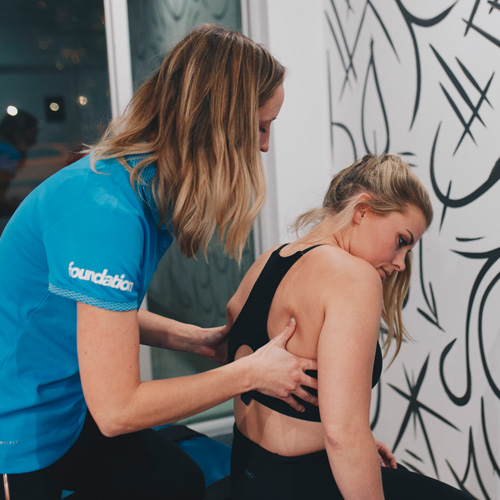
Targeted Treatments So You Can Find Relief
Every treatment plan is unique, but our goal is always the same: to help you recover fully and prevent future issues. Your care team may help you:
- Relieve pain with manual therapy and therapeutic movement
- Improve mobility through movement training and targeted exercises
- Strengthen weak or overworked muscles, including your pelvic floor
- Improve posture and spinal alignment
- Build daily habits to maintain long-term results
By combining different perspectives across disciplines, we help patients move better, feel stronger, and return to the activities they love.
Ready to Take the First Step Toward Relief?
If you’re experiencing lower back or pelvic pain, you don’t have to figure it out alone. Call Foundation Physio today to book your appointment. Our full-body, team-based approach gives you the best chance at lasting relief and long-term results!
Get Fueled – Book Today!
Don’t Wait. Move Better. Feel Better. Live Better. Get Fueled.

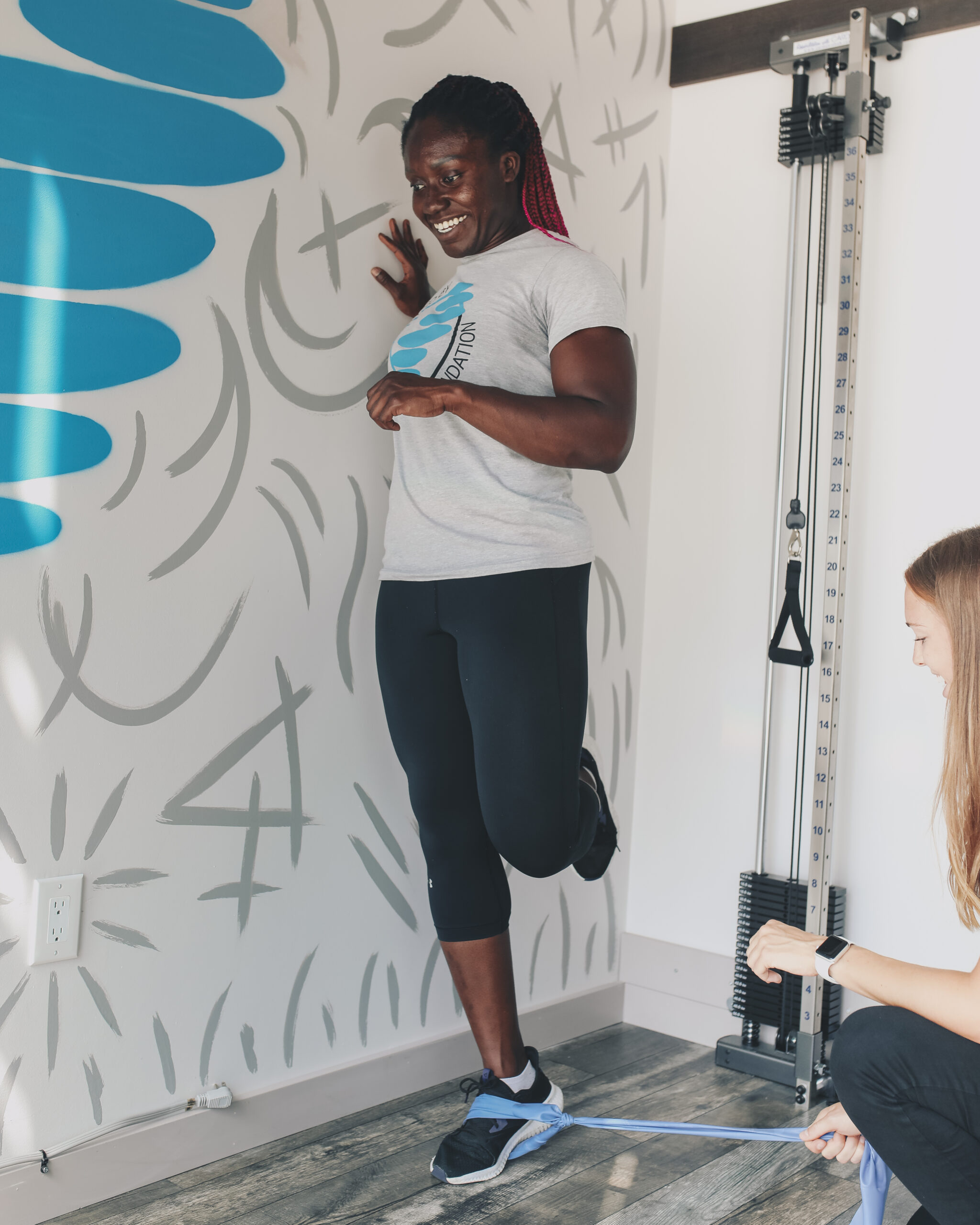
Hypermobility Syndrome (HMS) affects individuals whose joints move beyond the typical range, often leading to discomfort, instability, and recurring injuries. At Foundation Physio, we recognize the unique challenges posed by HMS and offer tailored physiotherapy solutions to address them.
Understanding Hypermobility Syndrome
HMS isn’t merely about increased flexibility; it’s a condition where the body’s connective tissues are more elastic, resulting in joints that are overly mobile. This excessive mobility can cause joint pain, frequent sprains, and a heightened risk of dislocations. Moreover, individuals with HMS might experience muscle fatigue and reduced proprioception, affecting their balance and coordination.
Our Physiotherapy Approach
At Foundation Physio, our treatment strategy for HMS is comprehensive and individualized:
Strengthening Stabilizing Muscles:
- We focus on exercises that enhance the strength of muscles surrounding hypermobile joints, providing better support and reducing strain.
Improving Proprioception:
- Through targeted activities, we aim to enhance joint awareness, helping patients maintain better control over their movements.
Pain Management:
- Utilizing techniques like manual therapy and myofascial release, we address muscle tension and alleviate discomfort associated with HMS.
Education and Lifestyle Modifications:
- We empower patients with knowledge about their condition, advising on activity modifications and strategies to prevent joint overextension.
Achieving Better Quality of Life
Our goal is to help individuals with HMS lead active, fulfilling lives by providing them with the tools to manage their condition. Our goal is to reduce pain, enhance joint stability, and improve overall function.
If you or someone you know is dealing with the challenges of Hypermobility Syndrome, Foundation Physio is here to assist!
Refer a Friend
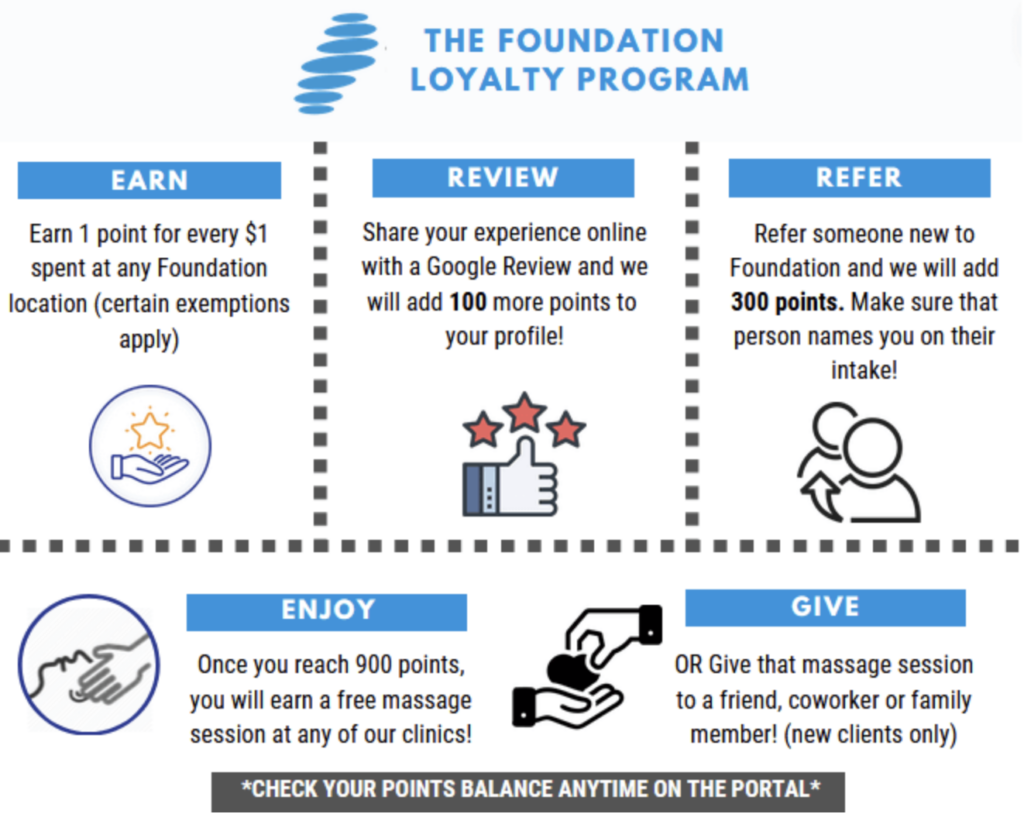
If you’ve experienced the outstanding care at Foundation Physiotherapy, why not share it with your friends? Referring them means giving them access to personalized treatment that can make a real difference in their health and well-being. Help them find a trusted healthcare partner.
Refer a friend, get 300 loyalty points!
Collect points to earn a free massage!
New Location Vaughan!
The Foundation Physiotherapy Group is excited to announce the opening of our EIGHTH location in Vaughan. We can’t wait to bring 1-on-1 physiotherapy excellence to this wonderful community.
Become one of Foundation’s First 100 in Vaughan and you’ll receive:
– 15% off all physiotherapist services… for life!
– 300 loyalty points to get kickstarted into our loyalty program
Have friends or family in Vaughan? Let them know!
Sign up here:
Patient Spotlight
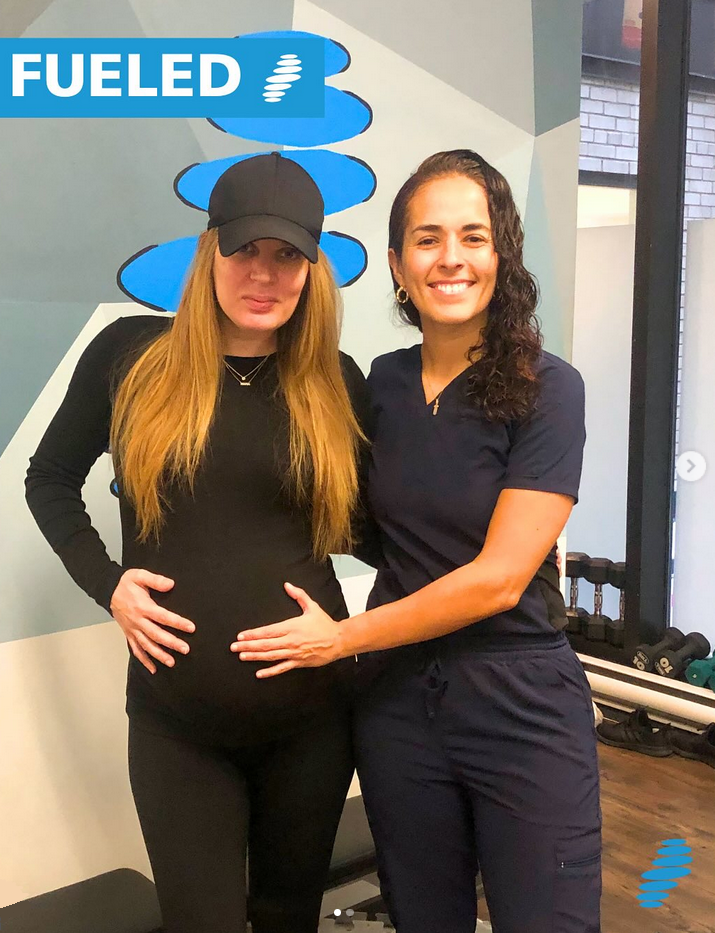
Meet Krista 💙
Krista has allowed us to share and highlight her story.
Krista has been a client at Foundation Physiotherapy since 2018, when she first came to a physiotherapy assessment appointment to improve her neck and shoulder posture in her dental practice.
In October 2024, Krista started coming in again to manage her pregnancy.
Krista was experiencing the common symptoms of this stage: pain and postural discomfort of the hips; trigger points and hypertonicity on the upper traps and levator scapulae, sacroiliac joint and lower back pain; abnormal resting muscle tension around the pelvic-gluteal complex as well as in the hamstrings and tightness in the inner thighs and IT band. Also, her calves and ankles regularly felt swollen and sore.
Krista started a 12-week treatment plan of massage therapy with Ana Diaz RMT and pelvic health physiotherapy with Vishnee Visagan PT.
Treatment consisted of exercises to strengthen affected muscles, education, myofascial release and trigger point techniques on hypertonic muscles, gentle stripping and muscle energy techniques for stiff joints and hydrotherapy for swelling and or inflamed areas.
We were so proud to see Krista committed to the process and embracing the benefits of it. Thank you, Krista, for your trust in our team and for your commitment to the process!
Foundation in the Community: Raptors for Research
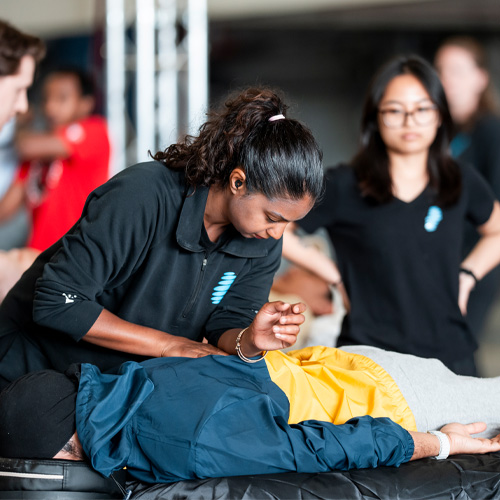
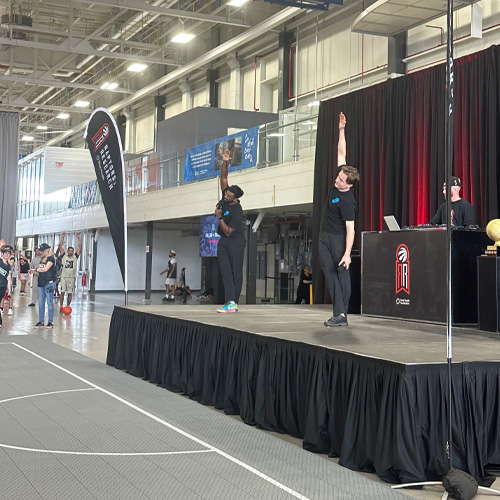
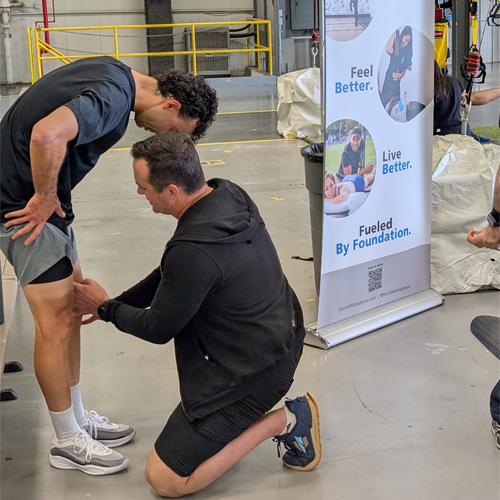
On May 25th, Foundation Physiotherapy was invited by the the Toronto Raptors to their annual Raptors for Research charity basketball tournament for the third straight year!
Foundation team ran a high-energy warm-up, followed by onsite physio, chiro, and massage for all the athletes, keeping them game ready! Together, the tournament raised $800,000 for hospital research!
Meet Our Pelvic Health Staff

Karlyn Driedger
PT, CIDN
Clinic Director, Registered Physiotherapist (Partner Associate), Pelvic Health Physiotherapist

Kanupriya Garg
PT
Pelvic Health Physiotherapist

Stephanie Fleming
PT
Registered Physiotherapist, Pelvic Health Physiotherapist, Strength and Conditioning Consultant, Dance Rehab and Performance Consultant, Running Consultant

Dr. Gillian Growse
DC
Chiropractor (Senior Associate)
Healthy Recipe:
Grilled Chicken Caprese
Enjoy the fresh, bold flavors of summer with this Grilled Chicken Caprese recipe—juicy chicken topped with ripe tomatoes, mozzarella, and basil. It’s a simple yet satisfying dish that’s perfect for outdoor dining or a quick weeknight meal.
Ingredients (serves 2)
- 2 (about 1 lb) large boneless, skinless chicken breasts
- 2 tbsp olive oil
- 1/4 cup fresh basil
- 2 oz fresh salted mozzarella
- 2 plum tomatoes
Instructions
Set grill to medium. Lay the chicken breasts flat and cut horizontally with knife parallel to cutting board to form 4 thinner cutlets. Brush chicken with the olive oil and season all over with salt and pepper. Place chicken on grill and cook 4 min. per side. Meanwhile, very thinly slice the mozzarella. Thinly slice the tomatoes. Thinly slice the basil. Arrange tomato slices on chicken. Top with mozzarella. Cover and cook another 2–3 min., until cheese melts and chicken is cooked through. To serve, season with pepper and garnish with basil.
Follow us on Social Media!

Share the Love
Had a great experience at our clinics? We’d love to hear from you!
Leave us a review and you’ll earn 100 LOYALTY POINTS!
Your feedback not only helps us grow but also guides others on their journey to better health!

Subscribe to our updated YouTube Channel!
Our Patients Get Great Results
“Simona and the team at Foundation Physio are all absolutely amazing! Simona has been instrumental in supporting my healing and reduction and I would highly recommend you see her for a physio treatment!”
-Natalie Z.